
Hey, Posse! So you’ve been spending $5 to $7 on a single bottle of kombucha at Whole Foods, and somewhere in the back of your mind you’ve been thinking — I could probably just make this myself, right?
YES. You absolutely can. And honestly? The first time I brewed a batch at home, I couldn’t believe how simple it was. I’d been putting it off for months thinking it was this complicated, science-lab situation. Spoiler: it’s not. You need 4 ingredients, a glass jar, and 14 days. That’s it.
The 4 Ingredients You Actually Need
No long shopping list. No specialty equipment ordered from some obscure website. Here’s what you’re working with:
1. Tea — Black tea is the gold standard for beginners. Specifically, plain Lipton or Harney & Sons black tea bags, about 8 bags per gallon. You COULD use green tea, but black tea gives your SCOBY the nutrients it needs to thrive, especially on a first brew. Stick with it.
2. Sugar — Plain white cane sugar. Not honey, not coconut sugar, not stevia. I know, I know. you wanted a “healthier” option. But here’s the thing: the SCOBY eats most of that sugar during fermentation, so your finished kombucha ends up with way less than you started with. Use 1 cup per gallon.
3. Water, Filtered is best. Chlorinated tap water can mess with fermentation. If you’re in a city like Chicago or NYC where the tap chlorine levels run high, definitely filter it or let it sit out overnight.
4. SCOBY + starter liquid. This is your fermentation starter. SCOBY stands for Symbiotic Culture Of Bacteria and Yeast. You can buy one online (Cultures for Health sells reliable ones for around $14), get one from a friend who brews, or grow your own from a raw, unflavored store-bought kombucha like GT’s Original. You also need about 2 cups of already-fermented kombucha as “starter liquid”, this acidifies your batch right away and protects it from bad bacteria.
Equipment Checklist Before You Start
Short and sweet. You need: a 1-gallon glass jar (a wide-mouth mason jar works perfectly), a breathable cloth cover like a tightly woven cotton cloth or coffee filter, a rubber band, and a wooden or plastic spoon. No metal. Metal can react with the acidic brew and mess with your SCOBY over time.
Day 1: Brew Your Sweet Tea Base
Bring about 4 cups of filtered water to a boil. Steep your 8 black tea bags for a full 10 minutes. don’t rush this. Add your 1 cup of white sugar while the tea is still hot and stir until it’s fully dissolved. Now pour that concentrated sweet tea into your glass jar, then fill the rest with cool filtered water until you hit the 1-gallon mark. This cooling step matters because you CANNOT add your SCOBY to hot liquid. You’ll kill it. Wait until your tea reaches room temperature, usually about an hour.
Once it’s cooled down, pour in your 2 cups of starter liquid first, then gently lower in your SCOBY. Cover the jar with your cloth, secure it with the rubber band, and set it somewhere warm. between 70°F and 78°F is the sweet spot. A countertop away from direct sunlight works great.
Days 2 Through 14: The Waiting Game (And What to Watch)
Okay, so this is the part where most beginner guides just say “wait 7 to 14 days” and leave you totally in the dark. But HERE’S what’s actually happening, and what you should be watching for.
By days 3 to 4, you’ll notice a new thin, rubbery layer forming on top of the liquid. That’s your new SCOBY forming. Totally normal. Exciting, actually. Around day 5 or 6, it’ll start smelling pleasantly vinegary and slightly sweet. If it smells like nail polish remover or straight-up vinegar with no sweetness at all, your fermentation ran hot or fast. still drinkable, just more tart.
On day 7, do your first taste test. Use a clean plastic straw, dip it in, cover the top with your finger, pull it out, taste it. If it’s still very sweet with almost no tang, let it go longer. If it’s pleasantly tart with a tiny bit of sweetness left, you’re probably done. Most batches in a 74°F kitchen hit that balance right around day 10 to 12.
By day 14, bottle it up. Use swing-top glass bottles. Bormioli Rocco makes solid ones for about $3 each. Leave about an inch of space at the top, seal them, and refrigerate. Cold stops fermentation and gives you a slightly fizzier result.
Troubleshooting the Two Things That Trip Beginners Up
Brown stringy bits floating in your kombucha? That’s yeast. Completely harmless. Strain them out if they bother you or just drink right through them.
White or brown fuzzy mold on top of your SCOBY? That IS a problem, throw the whole batch out and start fresh. But honestly, if you used enough starter liquid (that full 2 cups), this almost never happens. The acidity acts like a force field.
Nutrition Facts & Calories
Here’s what you’re actually getting per 8-ounce serving of home-brewed kombucha (based on a 14-day fermentation with black tea and white sugar):
- Calories: 30–40 kcal
- Total Carbohydrates: 7–10g
- Sugars: 2–5g (most of the original sugar ferments out)
- Protein: 0g
- Fat: 0g
- Sodium: 10–15mg
- Probiotics: Estimated 1 billion+ CFU per serving (varies by batch)
- B Vitamins: Trace amounts of B1, B6, B12
- Organic acids: Acetic acid, glucuronic acid. the stuff that gives kombucha its gut-health reputation
Compare that to a $6 store-bought bottle at around 60 calories and 14g of sugar. You’re getting a cleaner, cheaper, fresher product that YOU made. That feels ridiculously good, I’m not going to lie.
What I’d Do If I Were Starting Right Now
Skip the fancy flavoring on your first batch. No ginger, no berries, no lavender-hibiscus situation, just pure kombucha so you actually learn what a solid base tastes and smells like. Save the fun second-fermentation experiments for batch number two.
Get your SCOBY from a local brewer or Facebook group before you spend money online. Most kombucha brewers LOVE giving away extra SCOBYs. Post in your city’s fermentation group and someone will hand you one within 48 hours, usually with a cup of starter liquid already included. Your 14-day beginner homemade kombucha recipe starts with knowing your ingredients cold. and this setup genuinely gives you that foundation.
Now go make your tea. Your SCOBY is waiting.
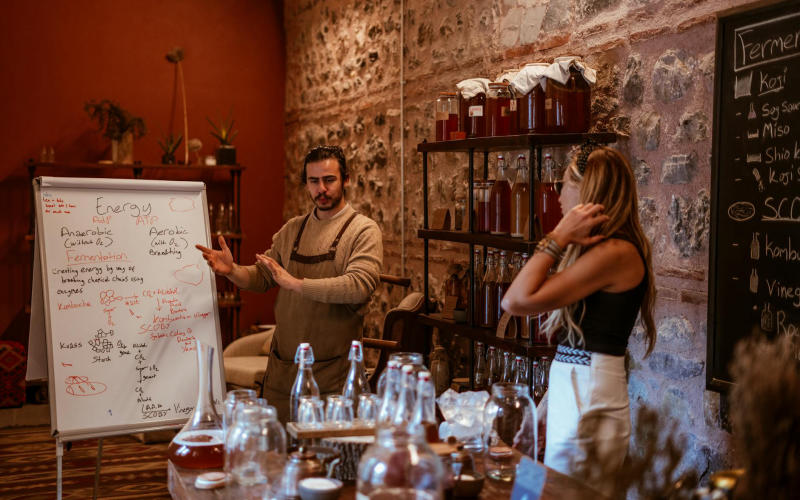
Photo by Sami Abdullah on Pexels