

Okay, so here’s the scene. It’s Thursday. You’re tired. The grocery store feels like a DIFFERENT COUNTRY right now, and your fridge has that weird collection of half-used things that don’t seem to go together at all — two chicken thighs, half a bell pepper, some sad broccoli, a sweet potato that’s been there since last week.
Good news? That is EXACTLY what a sheet pan dinner was invented for. I’ve made hundreds of these on nights exactly like that, and the formula is genuinely foolproof once you understand how it works. No recipe card required. Just a pan, some heat, and the right technique.
The Formula That Makes Any Leftover Work
Before you grab anything from the fridge, understand this: every great sheet pan dinner has three components. A protein. A starchy vegetable or grain. And at least one fast-cooking vegetable. That’s it. You don’t need all three to be “matching” — you need them to be seasoned consistently and cut to the right sizes.
So look at what you’ve got and sort it mentally into those three buckets. Chicken thighs, sausage, shrimp, tofu, eggs (yes, really), canned chickpeas — all proteins. Sweet potatoes, baby potatoes, butternut squash, beets, carrots. your starchy base. Broccoli, zucchini, asparagus, cherry tomatoes, bell peppers, green beans, fast-cooking vegetables. Once you see your fridge through that lens, Thursday dinner basically plans itself.
How to Prep Your Ingredients So Nothing Burns or Stays Raw
This is the part most guides completely skip, and it drives me crazy. Cut size and density DETERMINE your cooking time. If you throw a raw chicken thigh and a handful of cherry tomatoes on the same pan at the same time, your tomatoes will be ash before your chicken hits 165°F internal temp.
The rule is simple: denser, thicker things go in first. Cube your sweet potato or potato into 1-inch pieces and they’ll need about 20-25 minutes at 425°F. Broccoli florets? 15 minutes. Cherry tomatoes? 8 minutes. So you stagger. Start your protein and starchy veg together, then add the fast-cooking stuff halfway through. Set one timer for the full cook time, and a second timer at the halfway point as your reminder to add those delicate pieces.
Pat your protein dry before it hits the pan. I mean it. Moisture is the enemy of that beautiful caramelized edge. Dry your chicken thighs with a paper towel, press your tofu with a clean dish towel for 5 minutes, blot your shrimp. This one step takes 90 seconds and makes a MASSIVE difference in the final result.
The Seasoning System (This Is Where the Magic Happens)
You don’t need a complex spice blend. You need fat, salt, acid, and one flavor profile. Pick a direction and commit: Italian (olive oil, garlic powder, oregano, lemon), smoky-paprika (olive oil, smoked paprika, cumin, garlic), or simple herb-butter (melted butter, thyme, rosemary, black pepper). These three combos work on literally any protein and vegetable combination I’ve ever tested.
Toss everything in a big bowl with 2-3 tablespoons of olive oil per full sheet pan, a generous pinch of kosher salt, your chosen spices, and a crack of black pepper. Everything needs to be lightly coated. not swimming in oil, but not dry either. This is the moment where your leftovers stop looking like random sad vegetables and start looking intentional.
Building and Baking: The Actual Sheet Pan Process
Preheat your oven to 425°F. This temperature is non-negotiable. Lower and your food steams instead of roasts; higher and things char before cooking through. Use a standard rimmed half-sheet pan (18×13 inches), and please don’t crowd it. Crowded pan = steamed, soggy food. If you have more ingredients than fit in a single layer with a little breathing room, use two pans.
Lay your protein and starchy vegetables flat on the pan. Slide it in. Set that halfway timer. When it goes off, add your faster-cooking vegetables, toss everything gently with tongs, and let it finish. Total cook time: 25-30 minutes for most combinations with bone-in chicken or thick vegetables, closer to 20 minutes with shrimp or thin-cut produce.
Pull it when your protein hits temperature and the vegetables have those gorgeous brown edges. Let it rest 3-4 minutes before you plate it. this matters more than people realize.
A Real Example: The Thursday Night Sheet Pan I Actually Made
Last Thursday I had two bone-in chicken thighs, one sweet potato, half a red onion, a handful of broccoli, and three garlic cloves going soft in the corner of the crisper drawer. I cubed the sweet potato into 1-inch chunks, halved the onion into wedges, smashed the garlic cloves flat, and tossed everything, including the chicken. with olive oil, smoked paprika, garlic powder, salt, and black pepper.
Chicken and sweet potato went in at 425°F for 15 minutes. Then I added the broccoli and onion, tossed everything, and let it roast another 15 minutes. The chicken hit 167°F internal, the sweet potato edges were caramelized, and the broccoli had that slightly crispy, slightly charred thing going on that honestly tastes better than anything fancier. Total active time: about 12 minutes.
What to Do if It Looks Wrong Mid-Oven
So your pan is in, the timer goes off, and something looks off. Not browning? Your oven might run cool, crank it to 450°F for the last 8 minutes. Everything looks dark already? Tent a piece of foil loosely over the pan and reduce to 400°F. Vegetables are done but chicken isn’t? Pull the vegetables off and cover them with foil on the counter while the chicken finishes. These small adjustments take 10 seconds and rescue the whole dinner.
What I’d Actually Tell a Friend Doing This for the First Time
Stop waiting until you have the “right” ingredients. The best sheet pan dinner I’ve ever made was built from scraps on a Wednesday in March 2025. two Italian sausages, half a zucchini, canned chickpeas drained and dried, and a lemon I squeezed over everything at the end. It was better than things I’ve cooked from actual recipes with a full grocery haul.
The technique carries the meal. Master the temperature, the cut-size timing, and the seasoning system, and every Thursday fridge situation becomes dinner.
Nutrition Facts (Per Serving. Based on 2 Chicken Thighs, 1 Sweet Potato, 1 Cup Broccoli, Olive Oil + Spices):
Calories: ~520 kcal | Protein: 38g | Carbohydrates: 34g | Fat: 24g | Fiber: 6g | Sodium: ~620mg
Values are approximate and will shift based on your specific protein choice and vegetable quantities.
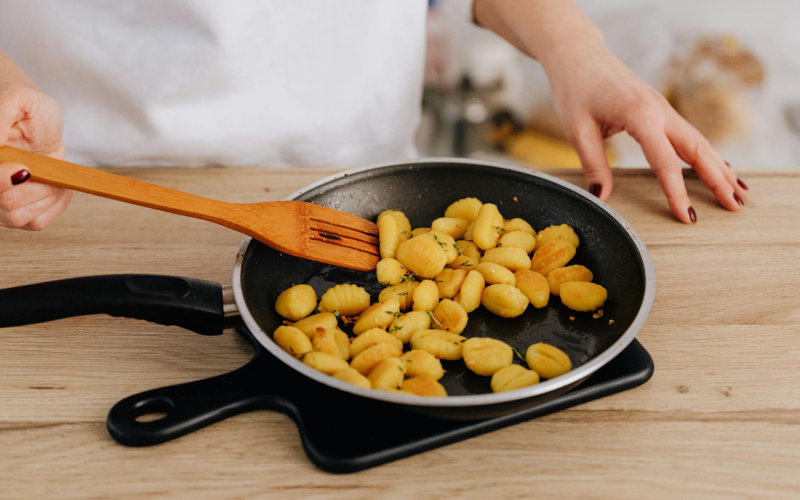
Photo by www.kaboompics.com on Pexels