

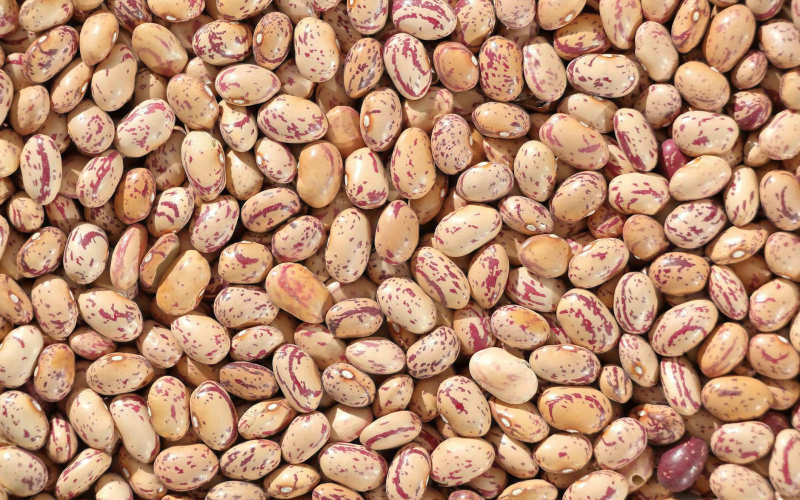
I’ve burned more pots of dried beans than I care to admit. Forgot to soak them overnight. Started cooking at 5pm on a Tuesday convinced I’d have dinner ready by 6. Spoiler: I was eating cereal at 7:30.
So yeah, I’ve spent more time thinking about this particular debate than any reasonable person should. Twelve years of writing about food, cooking through every variation of this argument, and I’ve landed on some actual opinions—not the polished “both options have their merits!” non-answer you’ll find on every recipe blog in existence.
Here’s the real situation: what wins depends entirely on what you’re trying to optimize for, and most articles won’t tell you what you’re genuinely sacrificing when you pick one over the other.
The Nutrition Gap Is Real—But Smaller Than You Think
People love insisting dried beans are nutritionally superior. And technically? Sure, they’re right. But barely.
A 2020 analysis published in the Journal of Food Science compared cooked dried black beans against their canned counterparts and found sodium was the biggest differentiator—canned beans can run anywhere from 300mg to 540mg per half-cup serving, while home-cooked dried beans carry essentially zero added sodium. That’s a meaningful gap if you’re managing blood pressure.
But here’s what that same research showed: protein, fiber, iron, and folate levels were remarkably close. Within 5-8% variance for most nutrients. So if you rinse your canned beans (and you absolutely should—draining and rinsing knocks out roughly 40% of the sodium, according to a 2004 University of Tennessee study), that gap shrinks even further.
The one area where dried beans genuinely pull ahead? Resistant starch. Freshly cooked dried beans hold more of it, and resistant starch is legitimately useful stuff—it feeds gut bacteria and helps regulate blood sugar. Not nothing.
Speed Is Where Canned Beans Destroy the Competition
No contest here. None whatsoever.
Canned beans are ready in 30 seconds. Open the can, rinse them, done. On a weeknight when you walk in at 6:15pm and everyone’s already miserable about being hungry, that’s not a minor advantage—that is the whole thing.
Dried beans demand planning. Even the quick-soak method (boil two minutes, soak an hour) still requires another 45-90 minutes of actual cooking afterward. Traditional overnight soaking plus cooking time puts you at 10-plus hours total. An Instant Pot helps considerably—unsoaked black beans take about 25-30 minutes under pressure—but you’re still not making them on a whim.
So if quick healthy meals you’ll actually cook regularly is the goal, canned beans win. Decisively.
The Cost Calculation (This Part Surprises People)
Dried beans are cheaper per serving. That much is true.
A pound of dried black beans runs roughly $1.50-$2.00 and yields about 6 cups cooked—around 12 half-cup servings at about 15 cents each. A 15oz can of black beans (roughly 3.5 servings after draining) costs $1.00-$1.50, putting you somewhere around 35-40 cents per serving.
But you’re also paying with time. And time has actual value. If dried beans demand 90 extra minutes of semi-attentive effort, and you value your time at even minimum wage ($7.25/hour in some states, though many places have hit $15+), the cost math flips pretty fast.
What I do sometimes: cook a big batch of dried beans on Sundays, then freeze them in 1.5-cup portions (roughly one can’s worth). That’s the move that genuinely makes sense—you get the savings and the weekday convenience without having to choose.
Canned Bean Quality Actually Varies a Lot
Not all canned beans are created equal. This caught me off guard once I started paying attention.
Eden Organics is what I reach for most often—BPA-free cans, noticeably better texture than the near-paste you sometimes get from generic store brands. Goya is solid and easy to find. Amy’s is good too, slightly pricier but cleaner ingredients list. The worst offenders are store-brand cans where the beans have basically dissolved into mush. Still nutritious, still edible, but texture matters because texture determines whether you’ll actually enjoy eating the thing.
And the canning liquid—aquafaba, specifically in the chickpea world—is genuinely useful. You can stir it into soups to thicken them, or (I’m not kidding) whip it into meringue. Don’t reflexively dump it all down the drain without thinking.
What They’re Both Good At (And Bad At)
Canned beans are the obvious choice for weeknight grain bowls, last-minute tacos, throwing into soup at the very end, quick salads, blender hummus on a random Wednesday afternoon.
Dried beans genuinely shine in slow-cooked dishes where texture matters from the beginning—a proper Brazilian feijoada, a Southern pot of pintos with ham hock. Also large-batch cooking, situations where you want to control every single ingredient, and honestly: flavor. Properly cooked dried beans taste more beany. I’m using that as a technical term on purpose.
But here’s what most people miss—you can combine both approaches. I use canned beans as the weekday workhorse and batch-cook dried beans on weekends when I actually have time and feel like cooking something properly. These aren’t mutually exclusive choices.
The Environmental Angle Nobody Talks About
Canned beans require manufacturing, metal production, and shipping heavy cans full of water. Dried beans ship at a fraction of that weight and volume, meaning significantly lower transport emissions per serving.
A 2022 lifecycle assessment from the University of Michigan’s sustainable food systems program found that canned vegetables generally carry a 20-30% higher carbon footprint per serving than dried or fresh equivalents—largely due to packaging and water weight during transit.
This doesn’t make canned beans villainous. But if sustainability sits alongside nutrition and speed in your decision-making, dried beans have a real edge here that almost never gets mentioned.
Bottom Line
Here’s the thing I haven’t seen anyone else actually say outright: the canned vs. dried debate is fundamentally a consistency problem, not a nutrition problem.
The best bean is the one you actually eat. Most people—real people with jobs and kids and non-negotiable Tuesday evening chaos—will eat more beans overall if canned ones are sitting in the pantry ready to go. Eating canned beans five nights a week beats eating dried beans once a week because that’s all the prep bandwidth you had. Consistency drives health outcomes. Theoretical nutritional perfection doesn’t.
So stop agonizing over it. Stock both. Use canned when life is happening and dried when you have a Sunday afternoon and a podcast queued up.
Frequently Asked Questions
Are canned beans actually as healthy as dried beans?
For most practical purposes, yes—especially once you rinse them. Protein and fiber content lands within about 5-8% of home-cooked dried beans. The main difference is sodium, which rinsing significantly reduces.
Do dried beans have more protein than canned beans?
Slightly, but not dramatically. Cooked dried black beans run roughly 7.6g of protein per half-cup. Rinsed canned black beans come in around 7-7.5g. Not worth losing sleep over.
Can I freeze canned beans after cooking them into a meal?
Absolutely. And you can freeze cooked dried beans in portions sized like a can (about 1.5 cups drained) to replicate weekday canned-bean convenience. Genuinely the best of both situations.
Which beans are healthiest overall?
Black beans, lentils, and chickpeas consistently top the nutrition rankings. Lentils deserve special mention if you want speed—they require zero soaking and cook in 20-25 minutes from dry, which changes the entire dried-bean time equation significantly.
Photo by Mustafa Akın on Pexels