
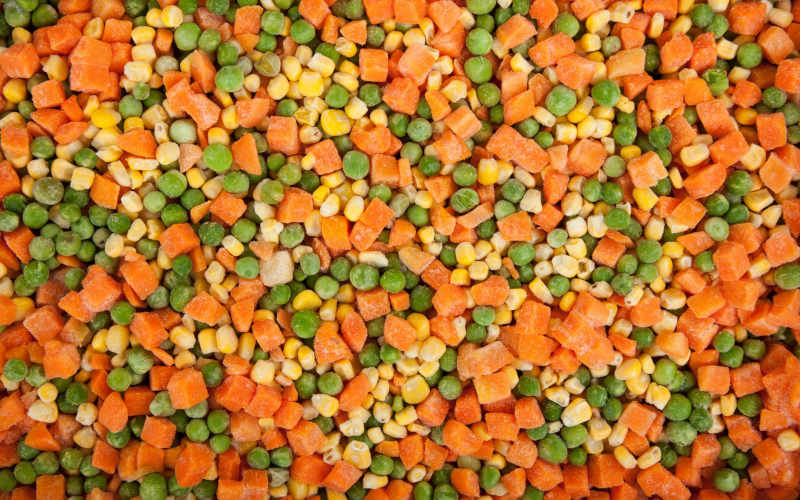
I used to throw frozen peas into boiling water, drain them, and stare at a bowl of wet cardboard. Every single time. Then I started actually paying attention to what heat, water, and time were doing to my food—and everything changed.
Here’s what most people don’t realize: frozen vegetables are often more nutritious than the fresh ones slumped in your supermarket’s produce section. A 2017 study published in the Journal of Food Composition and Analysis found that frozen broccoli had higher vitamin C content than fresh broccoli refrigerated for just three days. Three days. That’s roughly the shelf life of most “fresh” produce by the time it travels from farm to your cart. Blanching and flash-freezing locks nutrients in almost immediately after harvest, while fresh vegetables slowly bleed theirs out on trucks, in warehouses, and under fluorescent lights.
So the nutrition is already there when you crack open the bag. The question is whether your cooking method obliterates it before it hits your plate. That’s what this guide is actually about.
Why Frozen Vegetables Lose Flavor (And How to Stop It)
Waterlogged. That single word explains why so many people hate frozen vegetables. When you boil them, ice crystals from freezing melt and drag cellular moisture out of the vegetable simultaneously. What you’re left with is a spongy, flavorless heap floating in nutrient-stripped water that goes straight down the drain.
The fix is almost embarrassingly simple. Don’t boil them. Or if you absolutely must, use far less water than you’d think, keep the time under three minutes, and don’t wander off.
Roasting, sautéing, and steaming are your three best friends here. Each one handles moisture differently, and once you get that, you’ll stop wrecking frozen vegetables for good.
The Roasting Method: Your Secret Weapon
Roasting frozen vegetables sounds wrong. You’re supposed to thaw them first, right? Actually, no.
Throw frozen broccoli florets straight onto a sheet pan, coat them in olive oil, hit them with salt, and roast at 425°F (220°C) for 20-25 minutes. The high heat evaporates surface moisture before it can soak back in, and you get real browning—the Maillard reaction—which is where that deep, nutty flavor actually lives. I do this at least twice a week.
The one rule you cannot skip: don’t crowd the pan. Vegetables need breathing room. If they’re touching, they steam each other instead of roasting, and you’re right back to the soggy disaster you were trying to avoid. Use two sheet pans if you need to. Single layer, always.
Sautéing: Fast, Flavorful, and Forgiving
This is what I reach for on weeknights when I’ve got maybe twelve minutes before someone starts loudly wondering about dinner. Get a cast iron or stainless skillet genuinely hot—not medium, not medium-high, hot—before anything touches it.
Add oil first. Then frozen vegetables, straight from the bag. Yes, they’ll spit and sizzle aggressively. Good. Don’t touch them for two full minutes. Let one side develop a crust, because that browning is flavor and you earn it by leaving the pan alone.
Frozen corn, edamame, diced bell peppers, peas—all of them work beautifully this way. And the whole thing takes five to eight minutes. You’re not sacrificing nutrition either. A 2019 review in the journal Nutrients confirmed that stir-frying preserved more water-soluble vitamins like B6 and folate compared to boiling.
Steaming: The Gentle Option That Keeps the Most Nutrients
If pure nutrition retention is your priority, steaming wins. Nothing leaches into cooking water because the vegetables never touch it. Vitamin C, potassium, folate—they all stay exactly where they started.
But steaming has one glaring weakness. Bland. Stubbornly, almost offensively bland, if you let it be. So don’t. The second your frozen spinach, broccoli, or green beans come out of the steamer, season hard. Salt while they’re still hot—it penetrates better that way. A squeeze of lemon, a drizzle of good olive oil, some red pepper flakes. Treat it like the canvas it is and actually do something with it.
A bamboo steamer over a wok is ideal, but a basic collapsible metal basket in a regular pot works perfectly fine. Four to six minutes for most vegetables. Not a second more.
What About Microwaving?
Honest answer: it’s not as bad as you think. A 2003 study in the Journal of the Science of Food and Agriculture (yes, I went pretty deep on the research here) found that microwaving actually retained more antioxidants in broccoli than boiling, steaming, or pressure cooking. Shorter cooking time plus minimal water is why.
So microwaving frozen vegetables in a covered bowl with two tablespoons of water for three to four minutes? You’re doing fine, nutritionally speaking. Flavor still needs work, though. Season after cooking, add something acidic, finish with a pat of butter. Not glamorous. But effective.
Seasoning Strategy for Frozen Vegetables
Salt alone won’t cut it. You need layers. Here’s the approach I’ve landed on after years of tinkering.
Start with fat—olive oil, butter, or sesame oil depending on where you’re taking the dish. Finish with acid—lemon juice, rice vinegar, a splash of balsamic. Then layer in something aromatic: garlic, ginger, shallots, or even just a pinch of smoked paprika. Frozen cauliflower roasted with olive oil, turmeric, and cumin honestly tastes like something you’d pay twelve dollars for at a grain bowl spot.
And don’t skip the fresh herb finish. A handful of parsley or cilantro over roasted frozen vegetables costs almost nothing and genuinely changes the whole experience.
Avoid These Common Mistakes
Thawing on the counter first. Don’t. It makes vegetables waterlogged before they even see heat.
Cooking on low or medium heat. Too timid. You want quick, assertive heat that burns moisture off fast.
Skipping the drying step for roasting. If you’re nervous about going straight from frozen, pat the vegetables with a paper towel after they thaw slightly in the oven’s first ten minutes. Optional, but it makes a real difference with watery things like zucchini.
And please, for the love of every meal you cook this year, season at the right moment. Salt after roasting or sautéing, not before. Before just yanks more moisture out and undermines everything you’re trying to do.
Bottom Line
Here’s something nobody really says out loud: the “fresh is always better” conviction is actually making people eat worse vegetables. When someone buys fresh broccoli with good intentions and it’s gone limp by Thursday, they toss it or suffer through it—and then quietly give up on vegetables altogether. Frozen vegetables, cooked correctly, are a sustainability hack for your diet as much as your wallet. The bag waits in your freezer for months without guilt. The nutrition holds. And with the right heat and seasoning, the flavor follows. Good cooking isn’t about premium ingredients. It’s about not destroying what was already good in the first place.
Frequently Asked Questions
Does cooking frozen vegetables destroy nutrients?
It depends entirely on your method. Boiling causes the most damage because water-soluble vitamins leach straight into the cooking water. Steaming, roasting, and sautéing all preserve significantly more. A quick sauté at high heat for five to seven minutes retains the most flavor and keeps a solid percentage of vitamins intact.
Should I thaw frozen vegetables before cooking?
For roasting and sautéing, no—cook straight from frozen. For steaming, it doesn’t make much difference either way. Thawing first actually tends to leave vegetables soggy because the ice crystals release moisture that can’t evaporate fast enough during cooking.
Are frozen vegetables as healthy as fresh?
Often yes, and sometimes more so. That 2017 Journal of Food Composition and Analysis study showed frozen spinach had higher folate levels than fresh spinach stored for just one week. Flash-freezing right after harvest locks nutrients in at peak freshness—before the long journey to your kitchen begins.
What frozen vegetables are best for beginners?
Start with broccoli, peas, corn, and edamame. They’re forgiving, fast-cooking, and go with almost anything. Frozen cauliflower is genuinely phenomenal roasted. And frozen spinach is great in sauces, soups, and smoothies where texture isn’t really the point anyway.
Photo by Tohid Hashemkhani on Pexels