

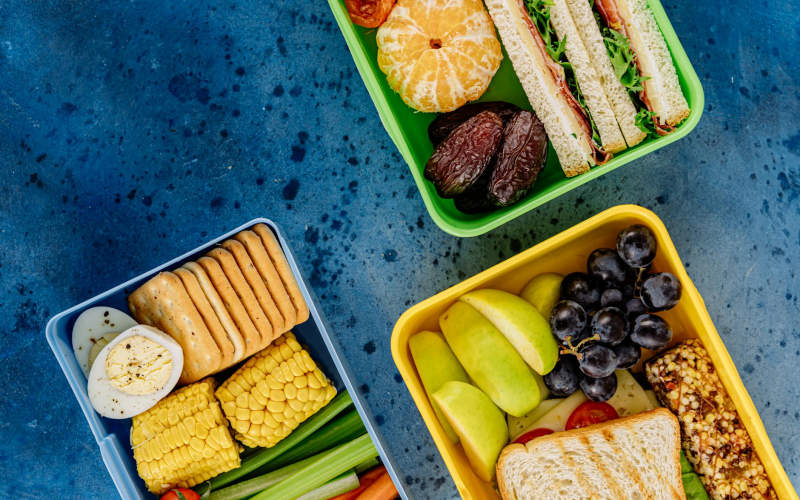
I used to spend Sunday nights dreading the week. Not because of meetings or deadlines—but because by Wednesday I knew exactly where I’d end up: standing at a gas station convenience store, eating a lukewarm burrito. That was my life for about three years. Then I got genuinely fed up and decided to figure out the most stripped-down, minimum-equipment lunch system that actually held up in the real world.
Here’s what nobody tells you: you don’t need a six-burner stove, matching glass containers, or a meal prep Instagram account to eat well Monday through Friday. You need one cutting board, two pans, and maybe 80 minutes of your Sunday afternoon. That’s it.
This is exactly how I do it.
Start With Your Shopping List (Keep It Brutal and Short)
The whole thing falls apart if you walk into the grocery store without a tight list. So before Sunday even arrives, you’re picking five ingredients that can pull double or triple duty across your meals. One protein, one grain, two vegetables, one sauce or dressing. Simple.
My current rotation: rotisserie chicken (already cooked, which is a genuinely sneaky time save), brown rice or farro, broccoli, bell peppers, and a tahini lemon dressing I throw together in about 45 seconds. That combination alone builds at least three lunches that feel different enough you won’t want to throw your container out a window by Thursday.
Spend under $40. That’s the target. In my experience, once you cross that number for a solo week of lunches, you’ve overcomplicated it.
Set Up Your Cutting Board Order (Sequence Matters More Than Speed)
This is where most people quietly wreck their prep before they’ve even picked up a knife. They chop randomly, washing the board between every single ingredient—or they don’t wash it at all and cross-contaminate everything. Neither works.
The right order on your one cutting board: vegetables first (lightest to darkest color, so you’re not staining your board before you’ve barely started), then aromatics like garlic and onion, then raw meat last if you’re using it. But if you’re starting with a pre-cooked protein like rotisserie chicken, you never even need raw meat on the board. I’ve been doing this for years. The mental energy it saves is genuinely absurd.
And chop everything before you touch a single burner. Sounds obvious. Changes everything about the rhythm of your prep.
Pan One: Your Roasting Workhorse
Sheet pan or large oven-safe skillet—this is your roasting pan, going into a 425°F oven. Not 375°F. Not 400°F. Hot enough to get actual caramelization on those vegetables, which is the difference between sad Tuesday lunch and something you’re actually looking forward to at noon.
Toss your broccoli and bell peppers with olive oil, salt, pepper, and (optional but worth it) a small sprinkle of smoked paprika. Twenty-two minutes. Flip once at the halfway point. Done.
Roasted vegetables hold up in the fridge for about five days without going mushy and weird—which is more than you can say for most salad situations. And they taste good cold, which matters when your office microwave is either broken or a biohazard.
Pan Two: Your Stovetop Protein and Grain Station
While the vegetables roast, your second pan—a medium saucepan—is doing double duty. First up: your grain. Brown rice takes about 35 minutes, farro around 25. Both sit happily in the fridge all week without turning to glue the way white rice sometimes does.
Once the grain’s done and sitting off heat, don’t wash the pan. Use those residual oils and starches. Add a splash of olive oil, flip the heat back to medium, and quickly warm your shredded rotisserie chicken with garlic, a dash of soy sauce or tamari, and whatever spice profile matches your dressing. Four minutes. That’s all.
So between two pans, you’ve got roasted vegetables, a cooked grain, and a warm seasoned protein. That’s your full foundation for the week.
Build Your Five Lunches in Containers
Here’s where assembly happens—and where you make each lunch feel different enough that you don’t lose your mind eating “the same thing” five times. Monday: grain bowl with tahini dressing, loaded up on vegetables. Tuesday: wrap format, stuff the chicken and peppers into a whole wheat tortilla you kept separate. Wednesday: same components over some bagged greens (barely counts as prep, honestly). Thursday: warm the grain and chicken together with a spoonful of jarred salsa and eat it like a rice bowl. Friday: whatever’s left, piled together—call it a harvest bowl because that sounds better than “Friday scraps.”
You’re building variety from sameness. That’s a completely underrated kitchen skill, and people like Gina Homolka (who’s been publishing Skinnytaste recipes since 2008) have been quietly advocating for it for ages.
Clean Up While Things Cook
I want to say this explicitly because people skip it and then hate meal prep forever. Clean your cutting board during the roasting window. That’s 22 minutes when your hands are completely free. Wash it, wipe the counters, put away the groceries. By the time you’re pulling vegetables out of the oven, the kitchen is basically already done.
Total dishes at the end of the whole session: one cutting board, two pans, a mixing bowl if you made dressing, and your storage containers. That’s genuinely it.
Bottom Line
The insight that took me embarrassingly long to figure out: the biggest barrier to eating healthy lunches during the week isn’t willpower or time or money. It’s the psychological weight of decision fatigue hitting you at 7am when you’re already running late. When your fridge has five ready containers, you don’t decide—you just grab. And that single removal of the decision is worth more to your long-term eating habits than any superfood you could possibly buy. The container is the system. The cutting board and two pans are just how you fill it.
Frequently Asked Questions
How long does this healthy lunch prep sunday one cutting board method actually take?
Realistically, 75 to 90 minutes from the moment you start unpacking groceries to closing the last container. Active cutting and cooking time is closer to 45 minutes—the rest is roasting and waiting.
Can I use this method if I’m vegetarian?
Absolutely. Swap the rotisserie chicken for two cans of drained chickpeas (roasted right on that same oven pan with the vegetables) or a block of extra-firm tofu pressed and pan-fried in your second pan. Same timing, same system.
What if my lunches get boring by Thursday?
Keep two or three different dressings in your fridge—a tahini one, a vinaigrette, and maybe a miso-ginger situation. Changing the sauce completely changes how a bowl tastes, even with identical components underneath. It’s the easiest swap that nobody talks about enough.
Do I need those specific vegetables, or can I use whatever’s in my fridge?
Use whatever you have. The principle—one cutting board, sequence your chopping, roast at high heat, cook your grain in the second pan—works with basically any sturdy vegetable combination. Zucchini, sweet potato, cauliflower, snap peas. The method is the thing, not the specific ingredients.
Photo by Antoni Shkraba Studio on Pexels