

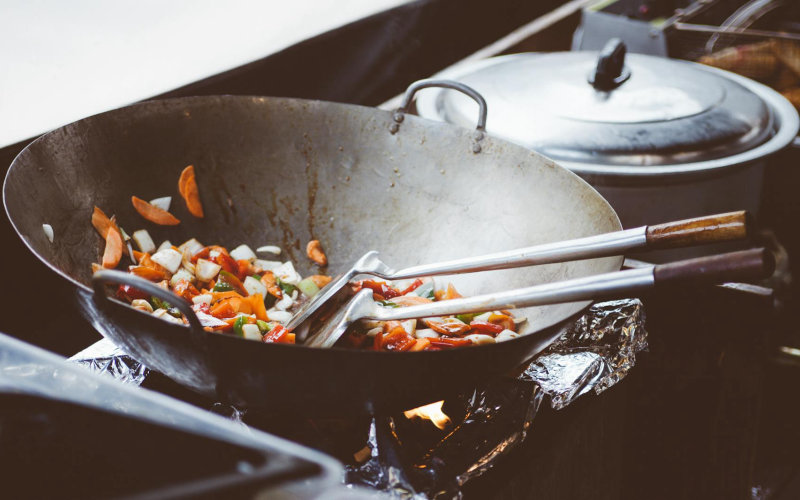
I used to throw away so many vegetables. Half a zucchini here, three limp broccoli florets there, the bottom third of a red bell pepper nobody bothered finishing. Every time I dropped one into the compost, there was this low-grade guilt—like failing at something embarrassingly basic.
Then I started leaving my wok on the stovetop full-time. Not tucked away in a cabinet. On the actual burner. Ready to go. Because what changed things for me wasn’t some genius recipe I stumbled across—it was accepting that stir-fry is less a recipe and more a method. One that was practically invented for this exact situation: a handful of random vegetables, twenty minutes before everyone gets hangry, and zero mental bandwidth left for dinner decisions.
So here’s the actual process I rely on. You can pull this off on any random Tuesday with whatever’s rolling around in your crisper drawer.
Start With the Right Heat (This Is Where Most People Go Wrong)
High heat. Not medium-high. High.
This single thing separates a soggy vegetable pile from something that tastes like takeout. Your pan needs to be genuinely, aggressively hot before anything goes in—wipe-a-drop-of-water-and-it-evaporates-instantly hot. Cast iron or carbon steel woks work best, but a stainless skillet does the job fine if that’s what you’ve got sitting around.
I heat my wok for about 90 seconds over the highest flame before oil ever touches it. Peanut oil or avocado oil are your best friends here—both handle high heat without smoking into bitterness. Olive oil will betray you. Just don’t.
And here’s something nobody really tells you: cook in smaller batches if you’ve got a lot of vegetables. Crowding the pan drops the temperature immediately, and suddenly you’re steaming instead of searing. Two batches of properly charred vegetables beat one batch of mushy ones every single time.
Sort Your Vegetables by Cook Time Before You Touch the Pan
This step takes 90 seconds and genuinely saves your dinner. Not all vegetables cook at the same speed, so you add them in waves—dense ones first, fragile ones last.
Dense and slow: carrots, broccoli stems, snap peas, cauliflower, green beans. These go in first, needing about 3-4 minutes.
Medium: zucchini, bell peppers, mushrooms, asparagus, bok choy stems. Drop these in around minute 3.
Fast and fragile: spinach, bean sprouts, bok choy leaves, cherry tomatoes, frozen peas. Sixty to ninety seconds maximum, right at the end.
So if you’re working with leftover broccoli, half a red pepper, and some spinach that’s been lurking since Wednesday—broccoli first, pepper at minute 3, spinach in the final 90 seconds. That’s your entire decision tree right there.
Build a Sauce From What You Already Have
You don’t need a special stir-fry sauce. You need soy sauce, something acidic, and something sweet. That’s genuinely it.
My default ratio—and I’ve been making this for literally ten years—is 2 tablespoons soy sauce, 1 tablespoon rice vinegar (plain white vinegar works if that’s all you’ve got), 1 teaspoon honey or maple syrup, and a splash of sesame oil stirred in off-heat at the very end. If you have garlic paste or fresh garlic, it goes in with your first wave of vegetables. Same with ginger.
Want some heat? A teaspoon of chili garlic paste transforms the whole sauce. Sriracha works too. Even a pinch of red pepper flakes does something real.
But here’s the key move: mix your sauce in a small bowl before you start cooking. Because once your pan is screaming hot and vegetables are flying in, there’s no time to measure anything. Mise en place isn’t just fancy chef talk—it’s what keeps you from burning everything while frantically hunting for the soy sauce bottle.
Use Aromatics Even If You Only Have the Basics
Garlic. Ginger. Green onion. These three things make any stir-fry taste intentional rather than accidental.
Even if all you’ve got is one measly garlic clove—mince it fine and throw it in during the first 30 seconds. The smell alone will convince everyone in your household that you had a plan all along. Ginger can be frozen and grated straight from frozen into the pan, which is a trick I picked up at a cooking class back in 2017. It genuinely changed how I shop for ginger (buy a big piece, freeze the whole thing, done).
And fresh ginger versus the jarred stuff? There’s a noticeable difference, yes. But jarred ginger absolutely beats no ginger. Don’t let perfection become the enemy of Tuesday dinner.
Add Protein If You’ve Got It, Skip It If You Don’t
This is a vegetable stir-fry, and it’s completely satisfying on its own—especially over rice or noodles. But if you’ve got leftover chicken, a couple of eggs, half a block of tofu, or even canned chickpeas sitting in your pantry, any of those slide in easily.
Eggs are the fastest play. Push your cooked vegetables to the side of the pan, crack two eggs directly onto the hot surface, scramble them quickly, fold everything together. Thirty extra seconds. Noticeably more filling.
Tofu needs to be pressed and cubed—and if you cook it in a separate pan first so it gets crispy before joining the vegetables, you’ll never go back. Food writer J. Kenji López-Alt has written extensively about this crispy tofu method, and he’s right: moisture is tofu’s worst enemy in a screaming-hot pan.
Finish Strong: The Last-Minute Moves That Elevate Everything
Pull your pan off the heat before the vegetables look completely done. Residual heat finishes the job, and a 10-second overcooked vegetable goes from vibrant to dull, gray-green, and depressing very fast.
Add your sesame oil off-heat. It burns quickly and loses its flavor at high temperatures—drizzle it on after the flame’s already dead.
Then top with something for texture. Sesame seeds, crushed peanuts, crispy shallots from a bag (the kind you find at Asian grocery stores for around $3), or torn fresh herbs like cilantro or basil. Five extra seconds. Makes the whole bowl look like you planned this meal from the start.
Bottom Line
Here’s the thing I’ve never actually seen written anywhere plainly: the best leftover vegetable stir fry isn’t the one made from perfectly fresh, color-coordinated vegetables you bought specifically for it. It’s the one you threw together last Thursday from three random things that needed using up, because that low-stakes pressure is what teaches you the technique without all the anxiety. The less precious you are about it—the more you treat the pan like a tool and the vegetables like raw material rather than a sunk cost—the faster your real skill develops. Perfection is a dinner you never make. A hot wok and a drawer full of odds and ends is a dinner you eat tonight.
Frequently Asked Questions
Can I use frozen vegetables for a leftover vegetable stir fry in 15 minutes?
Yes, absolutely—but don’t thaw them first. Drop frozen vegetables straight into the screaming-hot pan, and the blast of intense heat cooks off the extra moisture quickly. Just know they won’t get quite the same sear as fresh, and your total cook time might creep up to 18 minutes or so.
What’s the best oil to use for stir-frying at high heat?
Peanut oil is my first pick. It has a smoke point around 450°F and a neutral-but-slightly-nutty flavor that plays beautifully with soy-based sauces. Avocado oil is a close second and works great if you’re cooking for someone with a nut allergy.
Do I need a wok, or can I use a regular pan?
A regular large skillet works fine. The advantage of a wok is its sloped sides—they let you push things up and out of the hottest zone in the center, giving you more control. But your biggest stainless or cast-iron pan absolutely does the job. Don’t skip the meal because you don’t own a wok.
How do I keep my stir-fry from getting watery?
Two culprits: overcrowded pan, or wet vegetables. Pat everything dry before cooking, work in batches if needed, and hold off on adding your sauce until the last two minutes. Those three things solve about 90% of the soggy stir-fry problem.
Photo by Clem Onojeghuo on Pexels