

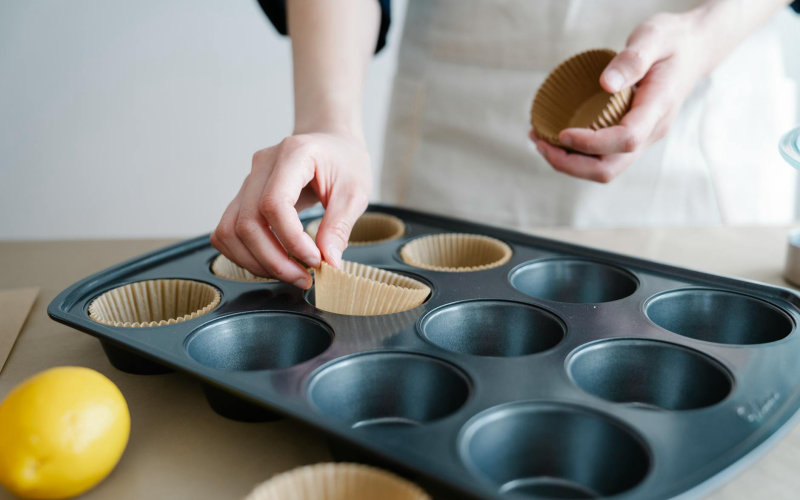
I stumbled onto this method completely by accident about four years ago. Leftover coconut milk, half a can of chipotle sauce, some wilted spinach that desperately needed to go somewhere — I just dumped it all into a muffin tin, froze it overnight, and woke up to these perfect little ingredient pucks. Used them across three different dinners that week.
That was it. That was the moment I ditched traditional meal prep entirely.
The idea is dead simple. Instead of cooking full meals ahead (which honestly taste pretty depressing by day four), you freeze the raw or lightly cooked components in muffin tin portions so you can grab exactly what you need, when you need it. No more thawing a giant batch for a single serving. No waste. No mystery containers you’re afraid to open.
Why Muffin Tins Are Actually Perfect for This
Standard muffin cups hold about ¼ cup of liquid. That’s an almost annoyingly convenient measurement — one serving of most sauces, roughly 2 oz of protein, a solid single-meal dose of puréed vegetables. It just works.
Mini muffin tins clock in around 1.5 tablespoons per cup. Perfect for things like tomato paste (which you never, ever use a full can of in one sitting), fresh ginger paste, or herb oils.
And silicone versions? Game over. Pop the frozen pucks out with zero effort — no prying, no warm water trick, none of that. I’ve used a 12-cup OXO silicone muffin tin since 2021 and it still looks brand new. Worth every penny of the $18.
What Actually Freezes Well (And What Doesn’t)
Real talk. Not everything belongs in your muffin tin freezer situation.
Things that freeze beautifully: coconut milk, broth, pesto, tomato sauce, pureed sweet potato, cooked lentils, black beans, egg whites, smoothie base mixes, caramelized onions, cooked ground turkey or chicken. These are your workhorses — reliable, versatile, genuinely useful.
Things that do NOT freeze well here: raw cucumbers, lettuce, anything high-water-content you want to stay crispy, raw potatoes, cream-based sauces that separate when thawed. Save yourself the disappointment.
One underrated candidate: cooked steel-cut oats. Freeze them in muffin cups, pull two or three into a bowl each morning, microwave 90 seconds. You’ve just turned a 45-minute breakfast into a 90-second one. I’ve done this every single week for two years and I’m never going back.
The Process (It’s Genuinely Easy)
Fill your muffin tin with whatever you’re portioning. Leave about ¼ inch at the top because liquids expand as they freeze — skip this step and you’ll find out why the hard way.
Freeze 3-4 hours or overnight. Once solid, transfer the pucks to a labeled zip-lock or silicone storage bag. Write the date and what it is — yes, with a Sharpie, yes, every single time. You think you’ll remember that “brown stuff” is caramelized onion. You won’t.
Most frozen ingredient pucks hold up well for about 3 months. Proteins get a little drier past that window, so aim to use those within 6-8 weeks.
So the actual active time? Maybe 10 minutes on a Sunday afternoon. That’s genuinely it.
Specific Ingredients and How to Use Each One
Let me give you the combinations that actually earn their spot in my freezer.
Pesto pucks — freeze in standard muffin cups. One puck goes directly from freezer into a hot pan with pasta or zucchini noodles. Done in 4 minutes flat.
Chipotle-tomato sauce — blend one can of chipotles in adobo with one 14 oz can of fire-roasted tomatoes, freeze in ¼ cup portions. Drop one into chicken broth with shredded rotisserie chicken and you’ve got a 7-minute taco soup. Honestly embarrassingly easy.
Smoothie bases — blend spinach, banana, a tablespoon of almond butter, and a little water before freezing. Each morning: pull one out, add a cup of almond milk, blend 20 seconds. Your kids won’t know there’s spinach in there. I promise.
Cooked chickpeas — dry them off well after cooking, portion into muffin cups, freeze, then toss directly into salads or roasting pans straight from frozen. They crisp up beautifully at 425°F with olive oil and cumin.
Building a Freezer System That Makes Sense
Here’s where most people overcomplicate it. They try to freeze 14 different things the first week and immediately get overwhelmed.
Start with three categories: one sauce, one protein, one vegetable purée. That’s your whole first batch. Get comfortable with the rhythm before you expand.
Label everything by color if you’re visual — green bags for herb-based stuff, red for tomato-based, blue for proteins. A 2022 productivity study from the University of Toronto found that color-coded storage systems reduce decision fatigue significantly in meal planning contexts. Your future Tuesday-evening self will thank you for this.
And keep a simple freezer index on the door. A sticky note is fine. What’s in there, how many pucks, when you froze it. Sounds tedious, but it takes 30 seconds to update — and it means you never forget about that mango purée you froze in March.
Saving Money With This Method
Let’s talk numbers, because this stuff actually matters.
Fresh herbs are a sneaky budget drain. A small bunch of basil runs about $3, and most people use a few leaves before watching the rest turn black in the fridge. But blend the whole bunch with olive oil and freeze it in a mini muffin tin? You’ve just turned that $3 into 8-10 flavor-packed cubes that last three months. That’s roughly $0.30-$0.35 per serving instead of buying fresh every week.
Same logic applies to ginger root. Buy a big knob, grate the whole thing, freeze in tablespoon portions. Done.
Over a year of doing this consistently, I’ve cut my food waste by what I’d estimate is 40%. That’s real money sitting there, not rotting in your vegetable drawer.
Bottom Line
Here’s something I haven’t seen anyone actually say out loud: the real value of muffin tin meal prep isn’t convenience — it’s that it fundamentally changes how you think about cooking. Once you’ve got 20 different ingredient pucks in your freezer, you stop thinking in recipes and start thinking in components. Suddenly a weeknight dinner isn’t “what recipe do I follow?” It’s “what three pucks sound good together tonight?” That mental shift — from recipe-follower to instinct-cook — is what makes healthy eating actually sustainable. It’s not about having a plan. It’s about having options.
Frequently Asked Questions
Can you freeze raw eggs in a muffin tin?
Yes, but there’s a condition — crack and lightly beat them first. Whole unbeaten eggs crack when frozen. Whisked eggs freeze fine, thaw cleanly, and scramble or go into frittatas without any issue. Solid Sunday-prep move.
How do you prevent the frozen pucks from absorbing freezer smells?
Transfer them out of the muffin tin and into airtight bags within 24 hours. Leaving them uncovered in the tin for days is exactly what causes that funky freezer taste. Double-bag anything with strong aromatics like garlic or fish stock.
Do silicone muffin tins work better than metal for this?
Absolutely yes. Metal requires greasing (messy) and the pucks still sometimes stick. Silicone releases cleanly every time — just press the bottom of each cup upward and the puck pops right out. Silicone also doesn’t crack under freezer temperatures the way some plastics do.
How many portions should you make in one prep session?
Aim for 6-12 pucks of any single ingredient per session — that’s roughly 2-4 weeks of use depending on how often you cook. Going bigger than that usually means stuff sits too long. Keep it fresh and rotating.
Photo by Felicity Tai on Pexels