

I’ve been eating and writing about food for over a decade, and the question I get more than any other isn’t about dinner recipes or meal prep. It’s this: “What can I eat between lunch and dinner that won’t wreck my calories but also won’t leave me raiding the pantry an hour later?”
Because most “healthy snack” lists online are basically useless. Twelve almonds. A rice cake with cucumber. And sure, maybe that works for somebody out there. But for most of us — actual humans with actual hunger — it lasts maybe 40 minutes before we’re standing at the fridge, door hanging open, staring into the void.
These 9 recipes are different. Each one clocks in under 200 calories, takes less than 5 minutes, and leans hard on protein and fiber — the two things that genuinely tell your brain to stop looking for food. No exotic ingredients. No blender required for most of them. Just real stuff that works.
1. Greek Yogurt with Frozen Berries and Hemp Seeds
This has become a near-daily habit for me. Take ¾ cup of plain 2% Greek yogurt (around 110 calories), dump in a handful of frozen blueberries straight from the bag (they thaw in two minutes flat), and scatter a tablespoon of hemp seeds on top.
You’re looking at roughly 180 calories, 18 grams of protein, and 3 grams of fiber. The hemp seeds are quietly doing serious work — all nine essential amino acids, plus enough healthy fat to slow digestion way down. Your stomach stays occupied for a good long while.
2. Turkey and Avocado Roll-Ups
No bread. No cooking. Just three slices of deli turkey (go low-sodium — regular deli meat carries something like 600mg of sodium per serving, which is genuinely brutal), spread a thin smear of mashed avocado on each slice, and roll them up.
Done. About 150 calories, 15 grams of protein, and the monounsaturated fat in the avocado actually extends how full you feel. Research from the Hass Avocado Board back in 2013 found that people who added half an avocado to lunch reported 40% less desire to eat in the hours that followed. You’re using way less than half here, but even a quarter of one punches well above its weight.
3. Cottage Cheese with Everything Bagel Seasoning
Sounds weird. Tastes surprisingly decent. Half a cup of low-fat cottage cheese runs about 90 calories and packs 14 grams of protein. Shake some everything bagel seasoning over the top — the garlic, sesame, and onion combination fools your brain into thinking you just ate something far more substantial than you actually did.
Throw on some sliced cherry tomatoes if you want crunch and a bit more fiber. Total lands somewhere around 110 to 120 calories. Filling as hell for what it is.
4. Apple Slices with Peanut Butter Yogurt Dip
Slice one small apple. Mix two tablespoons of plain Greek yogurt with one teaspoon of natural peanut butter and a pinch of cinnamon. That’s your dip. Seriously, that’s it.
The whole thing is about 160 calories. You’re getting fiber from the apple, protein from the yogurt, fat from the peanut butter — basically a trifecta of satiety signals hitting at once. I’ve put this in front of my kids and they don’t even clock that it’s “healthy.”
5. Edamame with Sea Salt and Chili Flakes
Buy frozen shelled edamame. Microwave one cup for two minutes. Salt it, hit it with chili flakes.
You’re done. One cup runs about 190 calories with 17 grams of protein and — this is the important part — 8 grams of fiber. Eight. That’s roughly 30% of what most people need in an entire day. So yeah, you’re going to feel it. In my experience, this snack holds people until dinner more reliably than almost anything else on this list.
6. Hard-Boiled Egg with Hot Sauce and a Pickle Spear
Batch your eggs on Sunday (12 minutes in a covered pot, then straight into an ice bath). Two hard-boiled eggs during the week take literally zero time to “make.”
Two eggs plus a pickle spear is around 160 calories. But here’s the thing nobody really talks about: the vinegar in pickles may help regulate blood sugar, according to a 2004 study published in the European Journal of Clinical Nutrition. Stable blood sugar means fewer cravings creeping up on you later. And hot sauce adds almost no calories while giving your brain enough sensory information to register an actual eating event — not just a sad grab from the fridge.
7. Ricotta Toast on One Slice of Rye
Rye bread has a lower glycemic index than white or even whole wheat — it sits around 41 on the GI scale versus wheat’s 69. Top one slice with three tablespoons of part-skim ricotta and either a drizzle of honey or some sliced strawberries.
About 170 calories total. The rye fiber digests slowly, the ricotta brings protein, and honestly? It feels like a real thing you ate. Not a snack. A moment.
8. Tuna on Cucumber Rounds
Open a can of water-packed tuna. Drain it. Mix with a teaspoon of Dijon mustard and a squeeze of lemon. Spoon it onto cucumber slices.
Half a can of tuna is around 70 calories and 16 grams of protein. Add the cucumber and you’re still under 100 calories for something genuinely crunchy and satisfying. Fair warning though — don’t eat this one on a work Zoom call. You know exactly why.
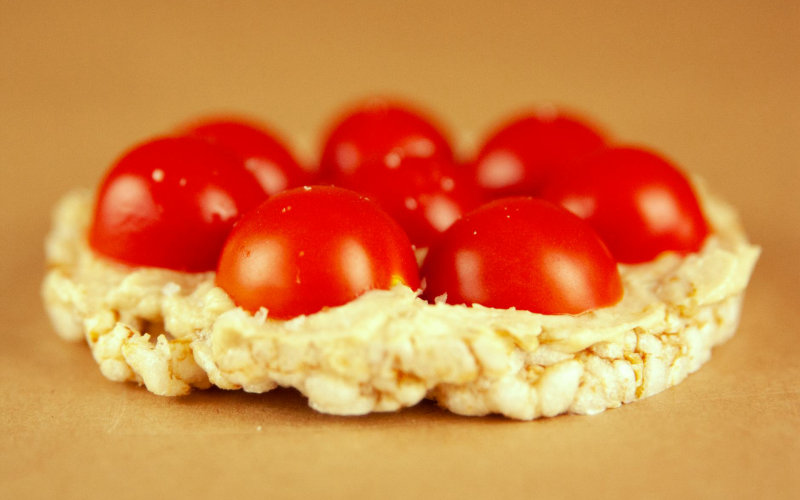
9. Nut Butter and Banana on a Rice Cake
Yes, rice cakes alone are depressing. But this specific combination actually holds up. One rice cake, half a banana, one teaspoon of almond butter. You get crunch, sweetness, creaminess, and a carb-fat-protein mix that keeps blood sugar from doing that familiar spike-and-crash thing.
Around 130 to 140 calories. And if your banana isn’t quite ripe yet, even better — the resistant starch feeds gut bacteria in ways that seem to support satiety signals over time. Small detail, but it adds up.
Bottom Line
Here’s something I genuinely haven’t seen written anywhere else: the reason most low-calorie snacks fail isn’t the calorie count. It’s the lack of sensory complexity. Your brain doesn’t just get full from macros — it gets full from experience. The crunch of cucumber. The tang of hot sauce. The cold sweetness of frozen berries hitting warm yogurt. Snacks that land on two or three sensory notes at once (temperature, texture, flavor contrast) suppress appetite more effectively than nutritionally identical foods that are completely one-dimensional. That’s why 12 almonds doesn’t work for most people even when the nutrition checks out. Build snacks your senses can actually finish.
Frequently Asked Questions
How many calories should a filling snack be?
Somewhere between 100 and 200 is the sweet spot. Under 100 usually doesn’t deliver enough protein or fat to actually register as satisfying. And over 200 starts cutting into your daily budget pretty quickly if you’re snacking once or twice a day.
What makes a snack actually filling vs. just low calorie?
Protein and fiber are the two biggest satiety drivers. Fat helps too, but it takes longer to kick in. So you want at least 10 grams of protein or 4-plus grams of fiber — ideally both, working together.
Can I meal prep these snacks in advance?
Most of them, yeah. Hard-boiled eggs, the tuna mix, and edamame all keep well in the fridge for several days. But the avocado roll-ups and ricotta toast are better made fresh — avocado browns fast and toast goes soft in a hurry.
Are these snacks good for people with diabetes or blood sugar concerns?
Several of them are genuinely solid choices — especially the edamame, tuna on cucumber, rye toast, and the egg-with-pickle combo. But your specific situation involves more variables than any blog post can account for, so loop in your doctor or a registered dietitian for guidance that’s actually tailored to you.
Photo by Karen Laårk Boshoff on Pexels