

I burned rice for three straight years before I cracked what I was doing wrong. Not slightly undercooked, not a little crunchy at the bottom — I mean genuinely, embarrassingly awful rice that I’d scrape into the trash before dialing for takeout. And the worst part? The fix was stupidly obvious once I stumbled onto it.
Here’s what nobody actually tells you: stovetop rice isn’t really about following a recipe. It’s about understanding what’s physically happening inside that pot. Once you’ve got that, you can cook it in any pan, on any stove, and it comes out right almost every time.
So. Let’s get into what actually works.
The Ratio Question (And Why Everyone Gets It Wrong)
You’ve probably heard “1 cup rice, 2 cups water.” Ditch it. That ratio works sometimes — but it’s not universal, and treating it like scripture is probably why your rice ends up a soggy mess half the time.
For long-grain white rice (basmati, jasmine, that crowd), 1 cup rice to 1.5 cups water is usually your sweet spot. Short-grain varieties like sushi rice want closer to 1:1.25. Brown rice needs more — around 1:2, plus extra cooking time on top of that. Your elevation matters too, and so does your specific pot. That’s why rigid internet ratios keep letting people down.
I’ve got a sticky note on my cabinet with the ratios for the three types I cook most. Old-fashioned? Absolutely. But it works.
Rinsing: Not Optional
Rinse your rice. Every time. No exceptions.
The surface starch on unrinsed rice is what makes it gluey and clumped — that cloudy, milky water you see the first time you run it under the tap? That’s the culprit. Rinse until the water runs mostly clear, which usually takes 3-4 passes. It costs you 90 seconds. Just do it.
The Heat Curve Is Everything
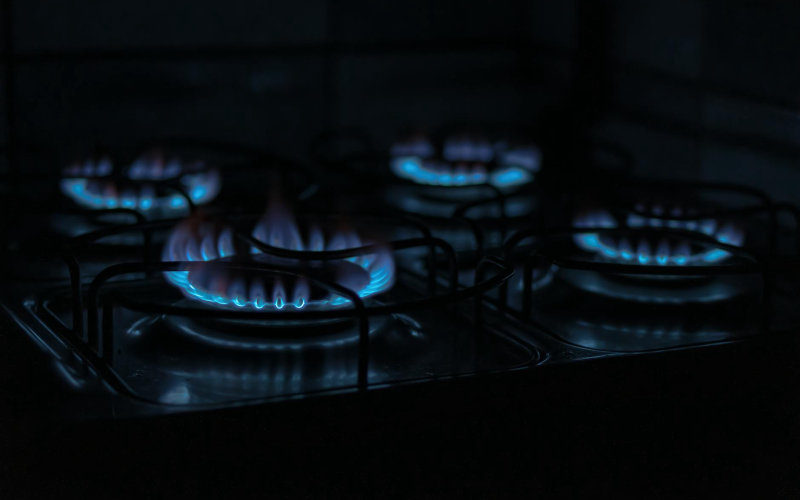
This is the step most stovetop guides breeze straight past. You start on medium-high to bring the water to a boil, then immediately drag it down to the lowest simmer your burner can manage the moment you put that lid on. Not medium-low. The actual basement setting.
Then you leave it alone — 15 to 18 minutes for white rice, lid on, no peeking. Lifting the lid bleeds steam, and steam is doing the real work here. Every curious glance tacks on 2-3 minutes to your cook time and wrecks the texture in the process.
The Lid Situation
Your lid matters more than your pot does. A loose, sloppy-fitting lid lets steam escape and blows your ratio entirely. If the fit isn’t tight, tuck a clean kitchen towel between the pot and lid to seal it — I picked this up from a 2019 Cook’s Illustrated piece and it genuinely changed how my rice turns out.
Heavy-bottomed pots make a real difference too. Thin pans throw up hot spots, and you’ll end up with a scorched bottom layer before the top has even finished cooking.
The Rest Is Actually Mandatory
When your timer goes off, pull the pot completely off the heat. Leave it sitting there — covered — for a full 10 minutes. Don’t skip this part. The residual steam finishes the job, and the rice firms up to the right texture during that window. Then fluff with a fork (not a spoon) and serve.
Troubleshooting the Two Most Common Failures
Mushy rice almost always traces back to too much water or too high a heat. Crunchy rice means not enough water, or you lifted the lid too early. Both are fixable — just nudge your ratio or your heat level the next time around.
Bottom Line
Here’s something I’ve genuinely never seen anyone else bother to say: the single best thing you can do is cook the same rice, the same way, five times in a row. Same brand, same pot, same burner. Take notes. Rice is weirdly variable depending on the brand and even how old it is, and your stove has its own quirks. Once you’ve dialed it in for your specific setup, you won’t need a recipe at all. That’s actual consistency — not some universal formula that half-works for everyone.
Frequently Asked Questions
How do I keep rice from sticking to the bottom of the pot?
A light coat of butter or a neutral oil before you add the water helps a lot. And keeping your heat genuinely low during the simmer phase is what prevents that bottom layer from scorching in the first place.
Can I double the recipe using the same ratios?
Yes, but pull back on the water slightly — try around 1.75 cups per cup of rice instead of the standard 1.5. Larger quantities hold heat and steam more efficiently, so you don’t need the full amount.
Why does my rice always come out wet even when I follow the recipe?
Your heat’s probably too high, or the lid isn’t sealing right. Either way, water cooks off too fast without actually steaming the rice through — so you get wet, undercooked grains. Drop the heat and check how well your lid fits.
Does the type of pot really matter that much?
Honestly, yes. A heavy-bottomed stainless or enameled cast iron pot distributes heat so much more evenly than a thin cheap saucepan. If you’re cooking rice more than twice a week, it’s worth pulling out your best pot for it.
Photo by Honye Sanges on Pexels