
I used to grab a bottle of Tropicana Fruit Punch for my kids after soccer practice. Felt virtuous about it. Fruit, right? Then one afternoon I actually stood in the grocery aisle and read the full ingredient list — not just the front panel screaming “Real Fruit!” — and what I found made me put it straight back on the shelf.
The front of a juice bottle is basically a billboard. It’s there to sell you a feeling, not tell you what’s inside. And honestly? The gap between what the label implies and what the nutrition facts actually say is one of the more quietly dishonest things happening in the food industry right now.
“Made With Real Fruit” Means Almost Nothing
That phrase carries no legal minimum requirement in the U.S. A drink can contain 2% fruit juice and still legally call itself fruit-flavored. Welch’s Grape Juice Cocktail, for example, is only about 24% actual grape juice. The rest is water, high-fructose corn syrup, and “natural flavors” — a catch-all term that can shelter dozens of chemical compounds the FDA doesn’t require companies to individually name.
So when you hand your kid something that looks purple and tastes like grapes, you’re not necessarily giving them grapes. Not even close.
The Sugar Numbers Are Genuinely Alarming
A 12-ounce bottle of Minute Maid Lemonade packs 40 grams of sugar. The American Heart Association recommends children consume no more than 25 grams of added sugar per day. One bottle. That’s it — limit blown before dinner. And adults aren’t off the hook either. The AHA caps women at 25g and men at 36g daily.
But here’s what makes it worse. Liquid sugar bypasses every natural braking mechanism your body has. No fiber. No chewing. Nothing slowing it down. You can drink 40 grams in four minutes flat and your body still won’t register that it’s full.
“No Added Sugar” Labels Can Still Wreck Your Blood Sugar
Some brands got clever. Instead of table sugar, they sweeten with concentrated fruit juice — then slap a “no added sugar” claim on the front. Technically legal. Functionally dishonest. Juice concentrate is still sugar. Processing strips out most of the fiber and micronutrients, leaving behind a syrupy fructose concentrate that behaves almost identically to corn syrup once it’s in your bloodstream.
Naked Juice got sued over this exact move in 2011. The lawsuit argued their “all natural, no added sugar” marketing was misleading given how heavily processed their products actually were. (They settled, by the way.)
Artificial Colors Are Doing More Work Than You Think
Red 40. Yellow 5. Blue 1. These show up constantly in store-bought fruit drinks, and they’re not there for your health — they’re there because without them, most “fruit” drinks would be a murky brownish-grey. Not exactly something you’d reach for.
A 2007 study published in The Lancet found a link between certain artificial food colorings and increased hyperactivity in children. The UK responded by requiring warning labels on products containing those dyes. We didn’t follow suit here in the States.
Citric Acid Isn’t Just From Citrus Anymore
This one surprises people. Most citric acid in processed drinks is now derived from black mold fermentation — specifically Aspergillus niger — not from actual citrus fruit. It’s cheap to produce, widely used as a preservative and flavor booster, and most people have no idea. Some folks report sensitivity reactions to this fermentation-derived version that they simply don’t get from the naturally-occurring kind.
What You Should Actually Do at the Store
Flip the bottle. Ignore the front entirely. What you’re looking for: total sugar under 8g per serving, an actual juice percentage somewhere on the label, and an ingredient list short enough to read in under ten seconds. Honest products exist — but they’re almost never the loudest ones on the shelf.
Bottom Line
Here’s something I haven’t seen said plainly enough: the healthiest fruit drink you’ll ever buy is the one that bores you. No neon colors. No athlete endorsement. No six health claims fighting for your attention in bold font. And honestly, the more aggressively a bottle tries to convince you it’s good for you, the more suspicious you should probably be. Marketing noise fills the space where actual nutrition should be.
Frequently Asked Questions
Are 100% fruit juices actually healthy?
Even 100% juice is missing the fiber from whole fruit — which means you’re getting a concentrated sugar hit with nothing to slow it down. A small glass (4 ounces) occasionally is fine. But it’s not a health food, and it really shouldn’t replace water as your daily go-to.
What’s the difference between fruit juice and fruit drink?
Legally, “fruit juice” has to be 100% juice. “Fruit drink,” “fruit cocktail,” or “fruit beverage” can be anywhere from 5% to 99% juice. Most of what lines grocery store shelves falls into that second category — even when the packaging makes them look identical to the real thing.
How do I spot deceptive labeling on store-bought fruit drinks?
Skip the front panel. Check the ingredient list for high-fructose corn syrup, “juice concentrate,” artificial colors, and natural flavors appearing early in the list. Then find the juice percentage — it’s usually buried in small print somewhere on the label. If it’s under 50%, you’re mostly buying sweetened water.
Are kids’ fruit pouches and juice boxes any better?
Most aren’t. Honest Kids Organic Juice Drink — which sounds pretty virtuous — still contains 10 grams of sugar per pouch. Capri Sun varieties run between 13 and 16 grams per pouch. For kids under 6, pediatricians recommend avoiding juice almost entirely and sticking to water and milk instead.
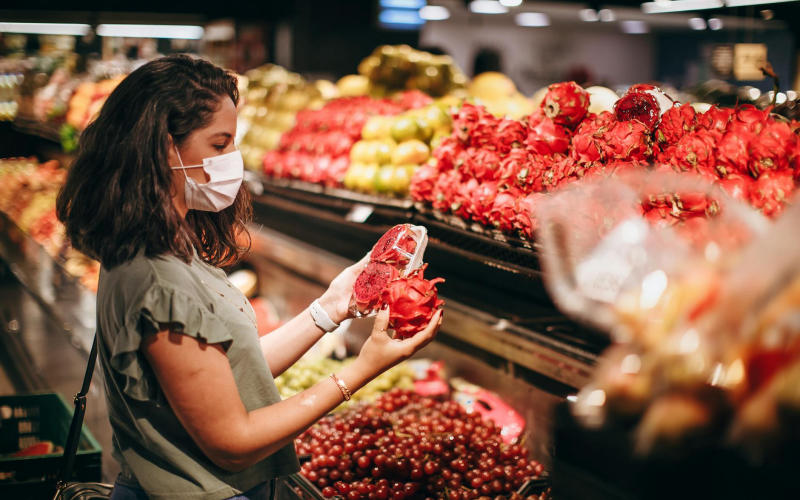
Photo by Helena Lopes on Pexels