

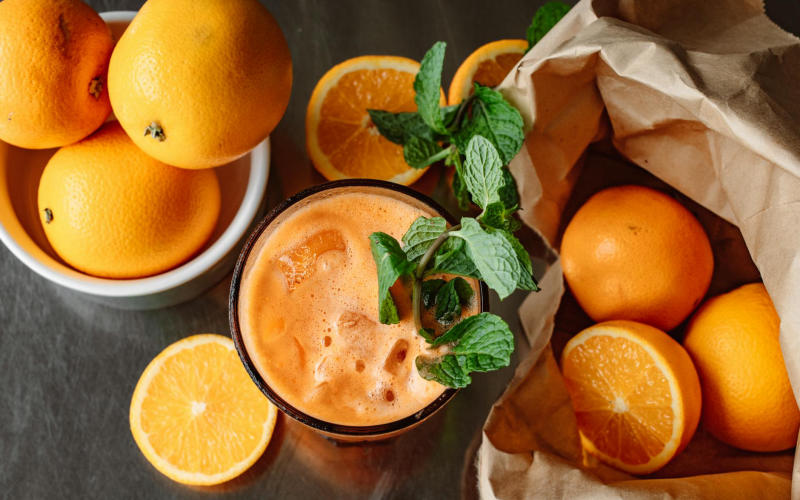
I’ve been obsessing over juice for longer than I’d like to admit. It started back in 2011 when I bought my first centrifugal juicer, convinced I was basically drinking liquid health. Then someone at a farmers market handed me a cold pressed orange juice and I genuinely couldn’t tell if I was being pranked—or if I’d just been wasting money for years.
Here’s the honest truth: most people have no idea what they’re actually getting when they pick one over the other. The juice bar menu doesn’t explain it. The pretty bottle sure doesn’t. So let’s dig into what actually happens to your nutrients depending on how your fruit gets squeezed.
The difference matters more than you’d expect.
What “Fresh Squeezed” Actually Means
Fresh squeezed typically means a centrifugal juicer or a basic citrus press. Fast-spinning blades or reamers tear through the fruit and separate juice from pulp. Takes maybe 30 seconds.
But that speed costs you something. Centrifugal juicers generate friction heat—sometimes hitting 120°F to 140°F—and that warmth starts wrecking heat-sensitive vitamins almost immediately. Vitamin C gets hit hardest. A 2019 study in the Journal of Food Science found centrifugal juicing stripped out up to 30% of vitamin C compared to the original fruit.
And then there’s oxidation. All that spinning pulls oxygen into your juice, which speeds up nutrient breakdown. You’ve probably noticed fresh squeezed juice tastes flat within 20 minutes. That flatness is real—enzymatic degradation, happening right there in your glass.
What Cold Pressed Actually Means
Cold pressed uses a hydraulic press or masticating (slow) juicer. No spinning. No friction. Just slow, deliberate crushing pressure that squeezes juice out while temperatures stay below 50°F.
The payoff is higher nutrient retention. A 2021 comparison in LWT Food Science and Technology found cold pressed juices held onto roughly 15–25% more antioxidants than centrifugal versions across apples, oranges, and watermelon. Cold pressed also lasts longer—3 to 5 days refrigerated, versus fresh squeezed’s 24-hour window—because oxidation during pressing is so much lower.
Vitamin C: The Big Difference You’ll Actually Feel
Vitamin C is your immune system’s closest ally and also the most fragile thing in a glass of juice. Heat, light, oxygen—all of it chews through it fast.
Cold pressed holds more of it, consistently. Fresh squeezed OJ might give you 60–70mg of vitamin C per 8oz glass. Cold pressed? Closer to 80–90mg, based on independent lab testing Pressed Juicery published in 2022. Not a jaw-dropping gap, but if you’re drinking juice specifically for immunity support, it adds up over time.
Enzymes and Phytonutrients: Cold Pressed’s Secret Edge
This is where cold pressed really separates itself. Digestive enzymes in raw fruit die above roughly 118°F. Cold pressing keeps them almost fully intact, which means your gut actually absorbs more of what you’re drinking.
Phytonutrients—flavonoids, polyphenols, the compounds behind fruit’s anti-inflammatory reputation—behave the same way. So with heat, you’re not just losing vitamins. You’re losing the stuff that arguably matters most.
Price vs. Practicality: The Real World Consideration
Cold pressed costs more. A lot more, honestly. An 8oz bottle from Suja or Pressed Juicery runs $5–$9. Fresh squeezed at home? Maybe 80 cents.
So the decision really comes down to frequency and intent. If you’re a daily juice drinker on a budget, fresh squeezed still beats store-bought pasteurized juice by a wide margin. But if you’re drinking juice to recover, bolster immunity, or support some specific health goal, cold pressed is worth the premium.
Bottom Line
Here’s something nobody really tells you: the gap between fresh squeezed and cold pressed is real, but it’s not the most important variable. The biggest nutrient killer isn’t your juicing method—it’s time. Fresh squeezed juice consumed within 10 minutes likely beats cold pressed juice that’s been sitting in your fridge for three days. Both methods eventually lose to the clock. Buy cold pressed for the method. Drink fresh squeezed for the immediacy. But whatever you pick, drink it fast.
Frequently Asked Questions
Is cold pressed juice worth the extra cost for everyday use?
Honestly, probably not for everyday use. The nutrient advantage is real but modest. Save cold pressed for specific health goals or occasional treats, and juice fresh at home for your daily habit.
Can fresh squeezed juice have more nutrients than cold pressed in any situation?
Yes—if you drink it within minutes of squeezing, fresh squeezed juice from a slow masticating juicer can actually match or beat cold pressed. The masticating method generates minimal heat while keeping costs low.
How long does cold pressed juice actually stay nutritious?
Most cold pressed juice holds onto meaningful nutrients for 48–72 hours refrigerated. After 5 days, you’re paying premium prices for significantly diminished returns. Check the press date, not just the expiration date.
Does pasteurized store-bought juice compare to either?
Not really. Standard pasteurization heats juice to around 185°F, which wipes out most enzymes and a big chunk of vitamin C. Both fresh squeezed and cold pressed beat it by a considerable margin.
Photo by ROMAN ODINTSOV on Pexels