

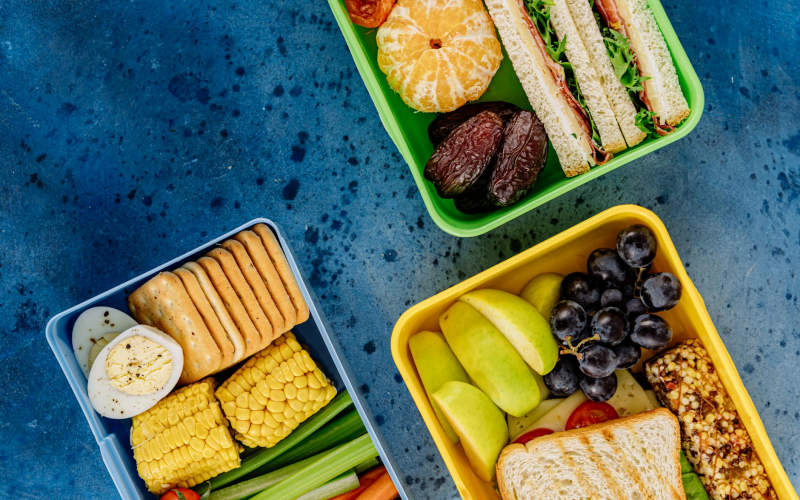
Sunday afternoons used to wreck me. Not the day itself—I actually like Sundays—but that creeping dread around 4pm when I’d realize I had nothing ready for the week. Five days of lunches, all unplanned, all about to cost me either money I don’t have or time I definitely don’t have.
I started sheet pan prepping about three years ago after watching my sister pull off an entire week of lunches while her oven did most of the work. She has two kids under six and somehow maintains a spotless kitchen. She spent maybe 40 minutes total. I timed her. It changed everything about how I approach Sunday cooking.
Here’s the honest version of how this works. Not the Pinterest fantasy with matching glass containers and herbs I’ve never heard of. The real, slightly chaotic, genuinely effective version that fits into a normal person’s life.
Why One Sheet Pan Actually Works
Most meal prep fails because the complexity kills your motivation before you even start. Too many pots, too many timers, too many components fighting for your attention. The sheet pan strips all of that away.
Everything cooks at one temperature (usually 400°F). Everything goes in together, or close enough. And because you’re using high dry heat, you get that roasted caramelization that makes vegetables taste like something people actually want to eat—not sad diet punishment.
The other thing? Cleanup is genuinely one pan. That’s not marketing copy. That’s it.
The Core Formula You’ll Use Every Week
Here’s the structure I keep coming back to: one protein, two or three vegetables, one starchy base, one sauce you make separate (takes three minutes). That’s your whole lunch for five days.
Practical example. Last week I did sheet pan chicken thighs with broccoli florets and cubed sweet potato, served over brown rice I cooked in my rice cooker simultaneously. Total active time was about 12 minutes of chopping plus 35 minutes of oven time where I did absolutely nothing except drink coffee.
You can swap every single component based on what’s on sale. Salmon instead of chicken. Zucchini instead of broccoli. Farro instead of rice. The formula holds regardless.
What to Actually Buy (With Real Numbers)
For five lunches feeding one adult, you’re looking at roughly:
1.5 lbs of protein (chicken thighs, salmon fillets, chickpeas, or tofu)
3 cups of vegetables, chopped (one head of broccoli, or two zucchini, or a bag of Brussels sprouts)
2 medium sweet potatoes or one large head of cauliflower for the starchy component
2 cups dry grain of your choice
My grocery spend for this setup runs between $18 and $24 depending on whether the protein is on sale. Compare that to five lunches out—for me in Chicago, that’s about $65 minimum. The math isn’t subtle.
And if you’re shopping at Trader Joe’s or Aldi specifically, you can get this done even cheaper. I’ve hit $14 on a good week using Aldi’s frozen salmon and whatever vegetables were marked down.
The 45-Minute Breakdown (Actual Timeline)
This is where I want to be really specific, because vague timing advice is useless.
0:00 — Preheat oven to 400°F. Pull out your largest sheet pan (half-sheet size if you have it, at least 18×13 inches). Start your grain cooking separately—rice cooker, stovetop, whatever method you use.
0:05 — Chop your vegetables. Don’t obsess over uniform pieces. Close is fine. Toss them with olive oil, salt, pepper, whatever seasoning you’re feeling. Garlic powder, smoked paprika, cumin—these three together are basically cheat codes for making vegetables taste incredible.
0:15 — Pat your protein dry if it’s chicken or fish (this is the step most people skip and then wonder why nothing browns). Season it. Put protein on one half of the pan, vegetables on the other. Starchy component goes in a corner or just mixed in with the vegetables.
0:20 — Into the oven.
0:25 to 0:50 — This is your free time. Make your sauce. A simple tahini sauce takes literally three minutes: two tablespoons tahini, one tablespoon lemon juice, one garlic clove grated, water to thin, salt. Done.
0:50 — Pan comes out. Everything rests for five minutes. Then you portion into five containers.
Forty-five minutes. Sometimes less.
Seasoning Without Getting Bored
This is the thing nobody talks about enough. The reason meal prep lunches feel depressing by Wednesday isn’t the prep itself—it’s that you made the same flavor profile for everything and now you’re staring down three more days of identical food.
My fix: season two-thirds of the pan one way and one-third another way entirely. So maybe most of the chicken gets a Mediterranean treatment (oregano, lemon zest, garlic) and the last few pieces get a hit of soy sauce and sesame oil. Same oven time. Wildly different eating experience across the week.
You can also keep your sauce separate from your protein and drizzle it fresh each day. Keeps the lunches from tasting like they’ve been stewing in flavor for four days—which they have, but there’s no reason to remind yourself of that.
Container Strategy That Actually Keeps Food Good
Glass containers. I know they’re heavier. But I’ve gone through three rounds of plastic meal prep containers since 2019, and they all stained, warped, or started smelling vaguely of chicken in a way that no amount of dish soap fixed.
I use OXO Good Grips 3-cup containers—eight of them, because sometimes I’m prepping lunch and a snack both—and they’ve lasted four years with daily use. That’s a real product recommendation, not sponsored content. I paid full price and I’d buy them again tomorrow.
Keep your grain separate from your protein and vegetables if possible. It prevents that soggy situation where your rice absorbs all the moisture and turns into a dense brick by Thursday.
Bottom Line
Here’s something I haven’t seen anyone else say about sheet pan lunch prep: the real benefit isn’t the time savings. It’s decision fatigue. When 12:30pm hits and you’re already exhausted from the morning, having zero choices in front of you—just open container, microwave, eat—is an act of genuine self-care that costs almost nothing to set up. The energy you preserve not making that daily lunch decision compounds across an entire year in ways that are hard to quantify but absolutely real. You’re not just saving $40 a week. You’re protecting cognitive bandwidth that belongs to better things.
Frequently Asked Questions
Can I do healthy lunch prep one sheet pan style if I’m cooking for two people?
Yes, and honestly it’s barely more work. Double your protein and vegetables, use two sheet pans side by side on the same rack, keep the same temperature and timing. You’ll have ten lunches ready in about 50 minutes.
Won’t vegetables get soggy in the fridge after a few days?
Roasted vegetables hold up better than raw or steamed ones because the moisture has already cooked out. But yes, by day four, your broccoli won’t be as crisp as day one. If texture really matters to you, prep three days at a time instead of five and just do a quick second batch mid-week.
What proteins work best for this method?
Bone-in chicken thighs are the most forgiving—they stay juicy even if you slightly overcook them. Salmon works great but needs only 12 to 15 minutes at 400°F (add it to the pan later than your vegetables). Chickpeas get beautifully crispy and are a solid vegetarian option. Tofu works if you press it well and dry it thoroughly before seasoning.
Is 400°F right for everything, or do I need to adjust?
For the vast majority of vegetables and proteins, 400°F is your default and it works. The one exception is fish, which I either cook at 400°F for a shorter time or drop to 375°F if I’m worried about it drying out. Root vegetables like beets or dense winter squash might need 425°F or just a bit more time at 400°F. But honestly, 400°F covers about 90% of what you’ll ever put on that pan.
Photo by Antoni Shkraba Studio on Pexels