

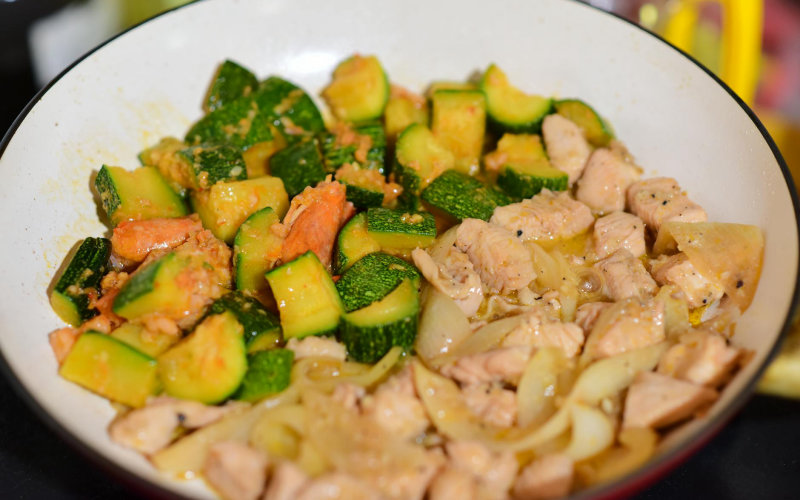
I’ve made probably 400 sheet pan dinners over the past decade. Maybe more. And the ones that flopped? Almost always the same three culprits — wrong temperature, wrong pan, or throwing everything on at once without a single thought about cook times. Fix those three things. That’s genuinely all it takes.
What I love about this method is that it isn’t really a recipe. It’s a system. Once you get the rules down, you can raid the fridge on a random Tuesday, toss things together, and end up with something that looks deliberate and tastes like you tried. So let me walk you through exactly how I do it — shortcuts included.
The Pan Setup Actually Matters More Than You Think
Your sheet pan is doing most of the heavy lifting here. Grab a heavy half-sheet pan (standard size is 18×13 inches) and line it with parchment paper or a silicone mat. Not foil. Foil conducts heat differently and your vegetables will steam instead of roast, which is exactly what we’re trying to avoid.
But here’s the step most people skip entirely: preheat the pan itself. Slide an empty pan into the oven while it comes up to temperature. When food hits a screaming-hot surface, it sears immediately rather than sitting in its own moisture for five minutes. That’s the actual difference between caramelized, crunchy edges and sad, soggy broccoli.
I picked this up watching my grandmother drop potatoes onto a blazing cast iron skillet — you’d hear that sizzle the second they landed. Same idea, just scaled for a weeknight.
The Temperature Sweet Spot Is 425°F
Not 375. Not 400. Four hundred and twenty-five degrees is where things get genuinely good inside a short window. Drop below that and you’re waiting 40-50 minutes for any real browning. Push past 450 and thin vegetables burn before your protein cooks through.
At 425°F, most proteins and vegetables finish in 20-25 minutes. Boneless, skin-on chicken thighs hit 165°F internal in about 22 minutes. Shrimp takes 8-10 minutes. Salmon fillets run 12-14 minutes. Write those numbers down somewhere — they’re the backbone of every quick sheet pan dinner you’ll ever make.
And if your oven runs hot (plenty of older ones do), start checking at the 18-minute mark.
How to Build the Dinner Without Thinking Too Hard
Here’s the actual system. Three things on the pan: a protein, a fast-roasting vegetable, something for flavor.
Fast-roasting vegetables are anything sliced thin or naturally small. Cherry tomatoes, broccolini, asparagus, green beans, thinly sliced zucchini, bell pepper strips, snap peas — all done at 425°F in under 20 minutes. Dense stuff like whole carrots or thick sweet potato chunks takes longer, so either slice them paper thin (we’re talking 1/4 inch) or give them 3-4 minutes in the microwave first to get a head start.
Toss everything in olive oil — roughly 1.5 tablespoons per pound of food — and season aggressively with salt and pepper. Underseasoning is the most common mistake I see. Vegetables need more salt than feels reasonable, especially since they’re losing moisture as they roast.
And don’t crowd the pan. Single layer, always. Overlapping pieces steam each other. You need space.
Three Specific Combos That Work Every Single Time
Combo one: chicken thighs with cherry tomatoes and asparagus, seasoned with garlic powder, smoked paprika, and Italian seasoning. Twenty-two minutes. Those tomatoes burst and create this little sauce situation at the bottom of the pan that honestly tastes like something from an actual restaurant.
Combo two: salmon with broccoli florets and lemon slices, hit with olive oil, Dijon mustard, and a bit of honey before going in. Fourteen minutes for the salmon, and the broccoli crisps up at the edges in the best possible way. My kids specifically request this one, which still kind of shocks me every time.
Combo three: Italian sausage links halved lengthwise, with bell peppers and onion slices. Season with fennel seed, garlic, and a pinch of red pepper flakes. Twenty minutes and you’ve got something that tastes like it took an hour. Throw it in hoagie rolls or pile it over rice.
These aren’t random combinations. They’re calibrated so everything finishes at roughly the same time — which is the real puzzle you’re solving when you build one of these dinners.
The Actual Cleanup That Takes Seconds
Parchment paper. That’s it. Slide the parchment off the pan after dinner and everything goes straight in the trash. The pan itself usually just needs a quick wipe — no soaking, no scrubbing, no drama.
Went with a silicone mat instead? Rinse it under hot water and it’s clean in 30 seconds. I’ve had the same two silicone mats since 2019 and they still look brand new.
The only time cleanup gets ugly is when something leaks under the parchment. Easy fix: fold the edges of the paper up slightly along the rim before you load anything on. Takes two seconds and saves you five minutes of scrubbing later.
Small Tweaks That Completely Change the Result
A drizzle of something acidic right before serving — lemon juice, balsamic glaze, a splash of red wine vinegar — wakes the whole dish up. It sounds minor. The difference is real.
Fresh herbs added after cooking (not before, never before) keep their brightness instead of wilting into sad little specks. I almost always keep a bunch of parsley around because it makes everything look finished and taste fresher with basically zero effort on my part.
One more thing: if you want genuinely crispy skin or exterior on your protein, pat it completely dry with paper towels before seasoning. Moisture kills browning. Dry chicken skin gets crispy. Wet chicken skin absolutely does not.
Bottom Line
Here’s something I haven’t really seen anyone else say about sheet pan dinners: the reason this method actually sticks for weeknights isn’t the cooking time — it’s the mental load. You’re making one decision instead of managing three burners, multiple timers, and a scattered collection of pots. That reduction in cognitive overhead is why people come back to this style long-term. It’s not the convenience of the cooking itself so much as the convenience of the thinking. Or honestly, the lack of thinking. Pick a protein, pick two vegetables, pick a flavor profile — you’re done deciding. The oven handles everything else.
Frequently Asked Questions
Can I make this easy sheet pan dinner 25 minutes idea work with frozen vegetables?
Yes, with one adjustment. Spread the frozen vegetables on the pan and give them 5 minutes in the hot oven before you add your protein. That drives off the excess water from freezing so they actually roast instead of steam. Don’t thaw them first — that just makes the texture worse.
What if I only have one oven rack?
Use the middle rack. It’s the most even heat position in most ovens. If the bottom of your pan is getting too dark but things aren’t finishing on top, move it up one rack for the last 5 minutes.
How do I know when the protein is done without cutting into it?
A $15 instant-read thermometer. Seriously, just buy one. Chicken needs 165°F, salmon around 125-130°F for medium, sausage at 160°F. It removes every bit of guesswork from every protein you’ll ever cook.
Can I prep the pan in advance?
Absolutely. Season and arrange everything on the lined pan, cover tightly with plastic wrap, and refrigerate for up to 8 hours. Pull it out about 10 minutes before cooking so the cold food doesn’t tank your oven temperature when it goes in.
Photo by Sóc Năng Động on Pexels