

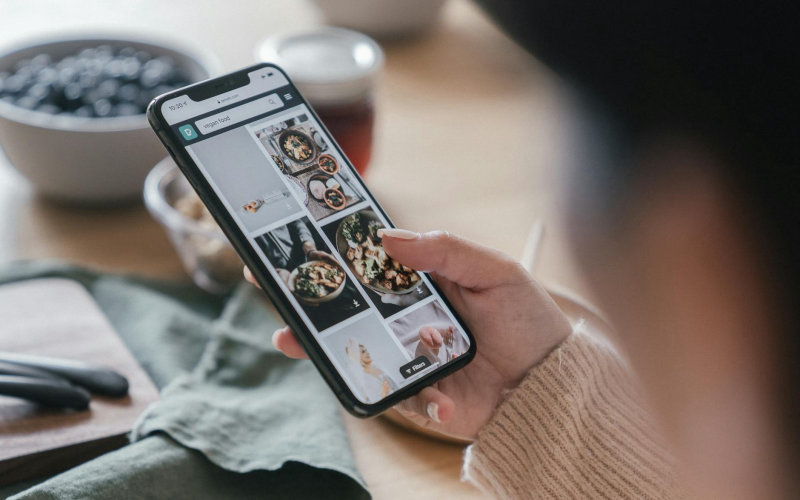
If you’ve ever opened five different apps trying to find that pasta dish you saved from an Instagram Reel eight months ago, you already understand the problem. Your recipes are scattered everywhere — WhatsApp threads, browser bookmarks, TikTok saves, a Notes folder you last touched sometime in 2024. Finding dinner shouldn’t feel like an archaeological dig.
But here’s what most roundups won’t tell you: a lot of “best recipe apps” lists in 2026 are written by the apps themselves. Forkee’s blog ranks Forkee #1. Recipe One’s comparison guide crowns Recipe One. I’m not saying they’re wrong, but you deserve a take from someone without a referral link to protect.
The Yummly Lesson Every Home Cook Needs to Hear First
Before I recommend anything, you need to know what happened to Yummly. Whirlpool bought it for a reported $100 million back in 2017, laid off the entire team in April 2024, and shut the app down on December 20, 2024. Twenty million users. Gone. Hundreds of saved recipes? You could only pull them out one at a time before the lights went off.
PlateJoy followed a similar arc — acquired by RVO Health in 2021, quietly mothballed by 2025. Pepperplate has had extended outages. This keeps happening, and most comparison articles skip right past it to debate UI design. So before you sink serious hours into building a recipe collection anywhere, ask: does this app have bulk export? What happens to your data if they fold tomorrow?
That question should sit at the center of every decision you make below.
Paprika: Still the Power User Default, But Showing Its Age
Paprika Recipe Manager remains the most-recommended paid app in serious home cook communities, and its pricing model is genuinely refreshing. One-time purchase — $4.99 on iOS or Android, $29.99 for Mac or Windows desktop. No subscription. No recurring fees. In a market drowning in $5.99/month recipe apps, that still means something.
And it’s genuinely solid. Offline access, web clipping, meal planning, grocery list generation. all of it works, reliably. But reviewers in 2026 consistently note it feels like software from 2018. Because it kind of is. It can’t import from TikTok, Instagram, or YouTube. It scrapes pages with structured recipe markup only, so anything embedded in a video or a non-standard blog just fails without even telling you why.
If your recipes live primarily on food blogs and cooking websites, Paprika is probably still your best bet. If you’re deep in social video discovery, and honestly, most of us are by now. it’ll frustrate you within the first week.
Mela and the Apple Ecosystem Trap
Mela is genuinely beautiful. Clean design, iCloud sync, fast import from supported sites, one-time in-app purchase unlock. I understand completely why Apple users love it.
But here’s the thing nobody says loudly enough: Mela is iOS, iPadOS, and macOS only. No Android. No Windows. No web app. If you share a kitchen with someone on Android, or cook off a Windows laptop at the counter. Mela simply doesn’t exist for them. Most articles bury this in a footnote. I’d call it a dealbreaker for mixed-device households, full stop, no asterisk.
Samsung Food Is the Best Free Option, and Most People Haven’t Heard of It
Samsung Food, fully rebranded from Whisk, which itself was deprecated in 2025. is the strongest free cross-platform recipe manager right now. iOS, Android, web. Recipe import, meal planning, shopping lists, nutrition tracking. All free, and not in a degraded, crippled way.
“Free” always invites skepticism. But Samsung Food’s free tier is genuinely generous, not artificially throttled at 20 recipes like CookBook’s free plan, or 40 like Copy Me That’s. Worth a real trial run before you pay for anything else, especially if you’re fleeing Yummly’s collapse and just need something stable fast.
Plan to Eat: The Best Pure Meal Planner (With a Catch)
If your real problem isn’t recipe storage but weekly meal planning. actually deciding what you’re cooking and generating a grocery list from it, Plan to Eat is hard to beat. It’s calendar-first by design. The grocery list automation is genuinely good. At $5.95/month or $49/year with a 14-day free trial, the pricing is reasonable enough that I don’t resent it.
The catch: no AI import, no photo scanning, no cook mode. Nothing fancy. There’s also no free tier, which means you have to commit real money just to evaluate it properly. Whether that’s worth it depends entirely on whether meal planning chaos is your actual pain point. not recipe hoarding, which is a different disease entirely.
The Social Video Problem: Who Actually Handles TikTok Imports?
Here’s the gap most comparison articles completely miss. In 2026, a huge share of recipe discovery happens through TikTok, Instagram Reels, and YouTube Shorts. But most legacy apps, Paprika, Mela, Plan to Eat. were built to scrape structured recipe schema from food blog HTML. They simply cannot pull a recipe from a video.
Pluck won the RevenueCat Shipyard 2026 Creator Contest specifically for its multi-modal video extraction: analyzing video frames, audio, and on-screen text simultaneously. Their free tier gives you 3 extractions per month and 10 saved recipes; $2.99/month gets you 10 extractions and 50 saves. Forkee also handles social video import on its free tier and layers in collaborative “Kitchens” for household sharing. Both are newer and less battle-tested than Paprika, but if social video is where you find recipes, they’re worth a month of your time before you commit anywhere else.
I’ll be direct, though: AI video extraction is still imperfect. TikTok videos with no spoken instructions and no on-screen text produce incomplete results that need manual correction. Promising technology. Not magic.
The Self-Hosting Option for the Technically Brave
Mealie is free, open-source, and has the cleanest interface of any self-hosted recipe manager I’ve seen. But it demands Docker setup and ongoing server management. No official native mobile app, you’re accessing it through a phone browser. Cooklang takes a stranger angle: plain-text `.cook` files living on your computer, version-controllable via Git. Maximum portability. Zero vendor dependency.
These are, genuinely, the only future-proof options. No company can shut them down. But they’re not for average home cooks. If you don’t know what Docker is, skip this section entirely. I mean that kindly.
Comparison: Which App Actually Fits You
| App | Cost | Cross-Platform | Social Video Import | Bulk Export | Best For |
|—|—|—|—|—|—|
| Paprika | $4.99–$29.99 one-time | Yes | No | Yes | Blog-heavy recipe collections |
| Samsung Food | Free | Yes | No | Limited | Budget-conscious cross-device cooks |
| Plan to Eat | $49/year | Yes | No | Yes | Weekly meal planners |
| Mela | One-time IAP | Apple only | No | Yes | iPhone/Mac-only households |
| Pluck | Free / $2.99/mo | Web/iOS | Yes | Limited | TikTok and Reels-first cooks |
| Mealie | Free | Web only | No | Yes | Technical self-hosters |
The Honest Truth About Which One to Pick
Stop waiting for the perfect app. It doesn’t exist. Most serious home cooks end up picking one, doing the setup, and never looking back, the switching cost alone eventually forces a decision.
My actual take: Apple-only household, no TikTok cooking habit? Mela is wonderful, and I wouldn’t talk you out of it. Mixed devices? Start with Samsung Food for free, then move to Paprika if you want offline reliability and don’t mind a one-time cost. If social video imports matter. and in 2026 they probably should, whether you want to admit it or not, spend a month with Forkee or Pluck before locking in anywhere. And whatever you pick: make sure it has bulk export. Because Yummly won’t be the last app that disappears without warning.
FAQ
Is Paprika still worth buying in 2026?
Yes, with caveats. It’s one of the few apps left offering a genuine one-time purchase with no subscription, and it’s rock-solid for web-based recipe clipping. But if you discover recipes heavily through TikTok or Instagram, its inability to handle social video will become a real friction point. fast.
What happened to Yummly and can I still get my recipes back?
Yummly shut down December 20, 2024. Gone for good. If you didn’t export before the shutdown, those recipes are no longer accessible, and there was no bulk export, only one recipe at a time. A cautionary tale about choosing apps with strong data portability, and one I wish more people had heard before December.
Are there genuinely free recipe apps with no recipe limits?
A few. Samsung Food and RecipeSage don’t artificially cap your recipe count on their free tiers. Forkee’s free tier also includes AI import without hard recipe limits as of early 2026. Most other “free” apps hit a wall quickly. CookBook caps at 20 recipes, Copy Me That at 40.
Can any recipe app actually import from TikTok videos?
Pluck and Forkee are the strongest current options for social video import in 2026. Pluck specifically won recognition for multi-modal video analysis. That said, results on videos without spoken instructions or on-screen text are still inconsistent, expect some manual cleanup, and don’t expect miracles yet.
Photo by Mike Jones on Pexels